Most mornings I read the world before the sun is up. Most of what the news carries is alarm, and alarm is loud. It travels fast, it fills the screen, and it leaves a body braced for the rest of the day. That is not what a far messenger carries. In the old days the far messenger was sent across hard country with the one thing the people needed: the seed, the song, the location of the spring, the word that keeps a family alive. The messenger left the noise behind. So I went looking for what the far messengers of this week were carrying, and I found them everywhere.
Nine places this week
In Peru, in the region of Moquegua, people from seven districts are working with their regional government to protect more than 62,000 hectares of coastal desert and fog meadows, where plants drink from the fog, along with the high Andean wetlands and pastures that feed their springs. They said it plainly. They want to protect their water sources. That is a dry spring being cared for before it fails.
In England, along the River Tone in Somerset, eighteen volunteers learned to see their river through the senses of a red deer, a kestrel, an earthworm, an otter and a salmon. One of them, Jake Lawy, came back with a simple idea: “When I put myself in the position of the salmon, I saw the impacts in my local area.” Turn off the streetlights near the water. Take out the old weirs. That is a far messenger’s discipline, reading the country through eyes other than your own.
In Japan, in Okayama, a forest town, a coastal town and an island town have tied themselves together. Timber thinned from the mountain forest becomes rafts for oyster beds. Oyster shells go back to the fields as fertilizer. The rice grown there is sold as Satoumi Rice. Children grow acorns and seagrass side by side, so they learn early that the forest and the sea are one body.
In Spain, the fishers of Roses, in Girona, agreed more than a decade ago to stop taking hake from their own waters. The fish grew larger. The corals and gorgonians came back and gave shelter to everything else. The story of their choice, fish less to fish better, has now won a national prize for positive journalism in Spain.
In Italy, on World Food Day, the United Nations Food and Agriculture Organization named a whole village a Food Hero. In Pollica, on the Cilento coast, grandparents teach grandchildren to cook, fishers still use the old menaica nets that take anchovies without touching the seabed, and farmers keep the soil the way their families always have. The honor did not go to one person. It went to a community that kept its way of eating alive as a way of living.
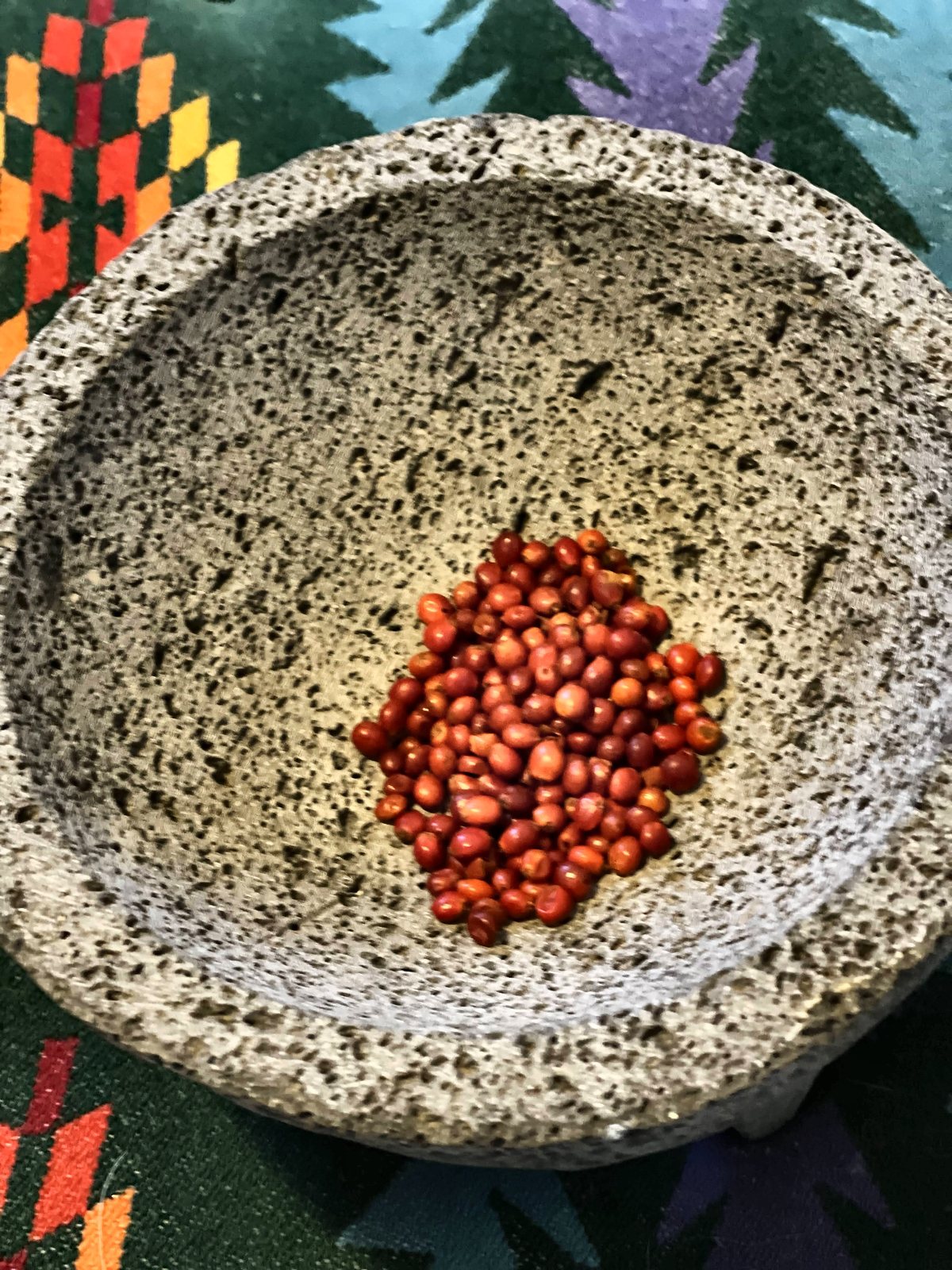
In Brazil, the Xingu Seed Network has grown to some six hundred collectors from twenty-five Indigenous peoples, family farms and towns. Between 2007 and 2022 they gathered 294 metric tons of seed and brought back about 18,300 acres of Amazon and Cerrado, sowing as many as eighty species at once, the way a forest sows itself.
In India, the village of Bansawargaon in drought country used to live on water tankers. The villagers asked a different question, not how to bring more water in, but why the rain kept leaving. They restored the old streams, slowed the runoff, recharged the ground and budgeted their water together. “The answer was not another tanker,” the reporter wrote. “It was rebuilding the landscape so water could stay.”
In France, on the Vercors plateau, the town of Die agreed with Rewilding France to let its communal forest lead its own recovery for at least sixty years. That is a decision made for the great-grandchildren.
And in the world of old books, the Buddhist Digital Resource Center released Yigdzin, a free, open tool that reads Tibetan blockprints and manuscripts and turns them into text anyone can search, quote and compare. A new machine was pointed at an old library and told to help it travel.
What they have in common
None of these people waited for the noise to stop. They each did the same quiet thing a far messenger does. They decided what had to be carried, they settled their bodies enough to see the country clearly, and they carried it. A spring. A river’s point of view. A forest and a sea held together. A fish left alone long enough to grow. A table of grandparents and grandchildren. A handful of seeds. Rain asked to stay. A forest given sixty years. A language given a way to travel.
That is what hope looks like when it has work clothes on. It is not a feeling that arrives when the news improves. It is a practice, and it is already being practiced on every continent, mostly by people whose names will never trend.
In The Council Fire the keepers ask one question of everything before they build it: does this honor the great-grandchildren? This week I watched that question being asked out loud in Moquegua and Somerset and Okayama, in Roses and Pollica, along the Xingu, in Bansawargaon and on the Vercors plateau. The book imagines twelve keepers finding each other. The real ones are already working, and some of them do not yet know about each other. The Council Fire is my way of telling them they are not alone.
So here is the practice I keep. Read the alarm if you must, then go find the builders. Tell their stories to someone who needs them. Carry one good thing across your own hard country today, a meal, a seed, a story, an hour with a child. That is how a people comes through still singing.
Tony Skrelūnas is Diné (Navajo) and Lithuanian. He writes The Ancestral Watch — Stone Breath, The Amber and the Stone, The Council Fire and The Far Messengers — and the working reader, Living as a Far Messenger. He is a PhD candidate; his dissertation looks at human and organizational performance through Diné and Lithuanian ancestral knowledge and the Japanese practices he has long studied. He holds a faculty appointment at 1440 Multiversity, where teaching is the center of the work now. He runs at dawn and hikes with a corgi named Roper.
Last reviewed October 2026.