 Tribe
Partway through a leadership day I led in northern Arizona in October, I asked the room to remember something. Not a goal, not a problem to solve, not a plan. A day. I had recorded myself walking through the exercise the week before, to hear how it sounded out loud, and I want to give it to you here close to the way I said it, because it is simple and it works on almost anyone.
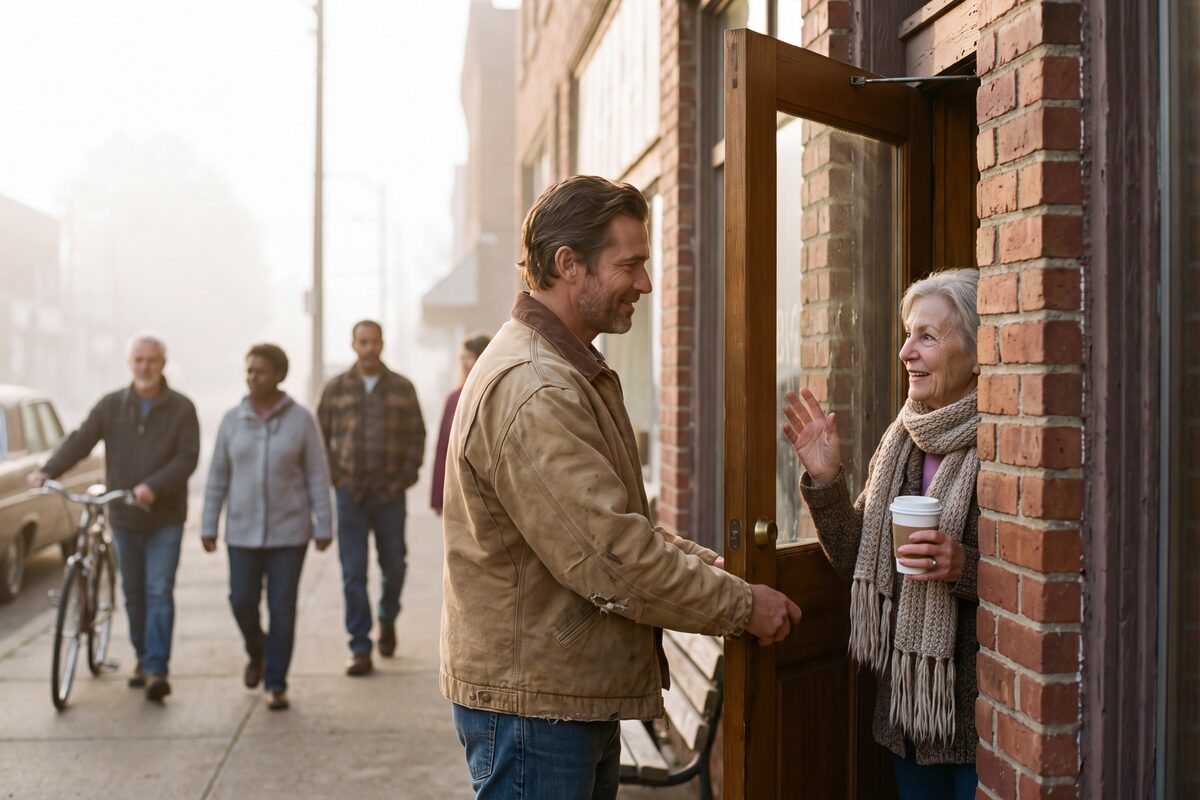
Do you remember a day when everything just went right? You woke up and you were relaxed. Somebody gave you a cup of coffee. At the stop sign, a driver who was already there let you go first. People said good morning and held the door for you, and maybe someone in line ahead of you paid for your coffee. Maybe that was the day you got offered the job, or an important assignment, and you had not been chasing it. You were in a good flow, and it just happened.
Now think about the other kind of time. You really, really wanted something. I want that big car. I want that big job. I want that responsibility. And it seemed to always stay a little bit away from you, no matter how hard you reached. Most of us have lived both. What I asked the room to notice is that the difference between them was not how hard we worked. On the good day you gave the talk of your life because you were not trying to impress anybody. You did not need people to think you were a big deal. You just did it.
On the good day you gave the talk of your life because you were not trying to impress anybody.
I have spent a long career in rooms where people are being chosen, and the second kind of energy is easy to see from the other side of the table. As a boss you can tell when somebody is positioning themselves for a seat. If you have enough experience, you stop going by short-term results and you look at the long run. How solid has this person been? What do they contribute to the community? Do they give up their own time, or is everything for money? The wanting shows, and it rarely helps the person carrying it.
Then I asked them to do the same thing for their organization. Think about a time your group just flowed. The assignment came through, and you carried out something important together. What was it about that moment? Was it the way the group prepared? Maybe you had an extra breakfast together that morning, or went on a hike, or helped each other through a hard situation. Maybe people stopped guarding themselves and showed who they really are, and that openness carried over into the office.
Try it tonight
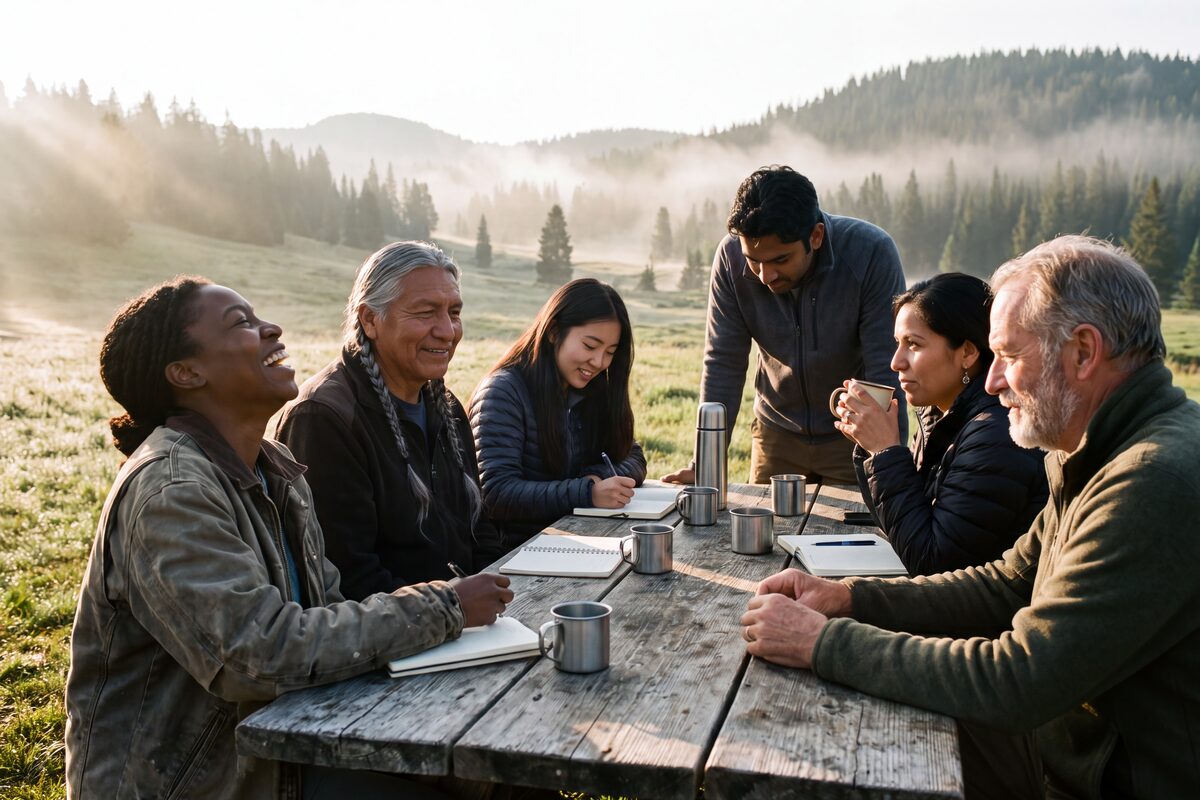
Here is the exercise, and you can do it tonight. Write down three times it happened to you, the days when everything flowed. Then write down what was going on in you that morning. If you are with other people, turn to one or two of them and talk about it, and then do the same for a time your team or your family just worked. End with the only question that matters: how could you have more days like that?
Of everything we did that day, that question excited the group more than anything else. I think the reason is that it asks nothing of anyone except a good memory, and everybody has one. It is not a lecture on calm. It lets a person find out for themselves that they already know what calm feels like, because they have lived a morning built out of it.
What the good days have in common, when you look closely, is the body. You woke up relaxed. Your nervous system was calm, and the good energy in you was something other people could see, which is part of why they held the door. You did the professional side too. You got up early, you prepared, maybe you did your early morning prayers, and you were simply happy. Then you walked into the interview carrying that same energy, knowing plenty of other good people had applied, and somehow you were the one who got the offer.
My grandmother understood this long before anybody had a scientific word for it. She used to tell me to go running early in the morning, because it would straighten me. The breathing and the discipline would make my mind stronger. I was already physically strong as a kid, so I could not figure out what she meant. It took me a long time to see it. She was not talking about my legs. She was raising a calm person, because a calm person is the one you can trust when things get hard, and the best days are the ones a calm person is ready to receive.
This is also why the group question matters as much as the personal one. A family or a team in a calm state can sit together and think. People are not guarding themselves, so the real ideas come out, and the work flows the way it did on the good days. A group in a frightened state does the opposite. Everyone protects their own corner, and nobody really hears anybody.
I wrote a whole book around that idea. The Council Fire follows twelve peoples healing what was done to them across generations, and learning to sit in the circle again. Halvorsen puts it plainly at that fire: “A calm people can sit in a circle and think together without it turning into a fight.” That is the best day, scaled up to a whole people. It is the same medicine at the stop sign and at the fire. If you want to sit with it longer, The Council Fire is here.
So tonight, before you sleep, write down your three days and look for what they share. Then tomorrow morning, before anybody needs anything from you, start the day the way those days started. Relaxed, prepared, and not wanting. The doors that opened on your best days were never really about luck. They were about the person who walked up to them.
Tony Skrelūnas is Diné (Navajo) and Lithuanian. He writes The Ancestral Watch — Stone Breath, The Amber and the Stone, The Council Fire and The Far Messengers — and the working reader, Living as a Far Messenger. He is a PhD candidate; his dissertation looks at human and organizational performance through Diné and Lithuanian ancestral knowledge and the Japanese practices he has long studied. He holds a faculty appointment at 1440 Multiversity, where teaching is the center of the work now. He runs at dawn and hikes with a corgi named Roper.
Last reviewed November 2026.