
A Note from the Author
Navigating the complex terrain between global economic systems and the specific needs of Indigenous communities has been the defining work of my life. My career has been one of practice and partnership: serving twice as a Division Director of Economic Development for the Navajo Nation, leading government development initiatives, and working extensively with neighboring tribes like the Hopi, Kaibab Paiute, and many others. As an entrepreneur in renewable energy and a consultant in strategic planning and impact investment, I've operated at the nexus of market forces and community needs. This experience has given me a unique perspective on the challenges and opportunities we face.
Now, as a PhD candidate in Sustainable Development Education, I am entering a vital period of synthesis. This blog series is inspired by my weekly writings and research—a real-time journey of connecting decades of practical experience to a deeper academic and philosophical framework. I am incredibly excited to share this process, as the insights emerging are not for academia alone. They reveal a powerful truth: the wisdom to heal our planet and our communities already exists within Indigenous knowledge systems.
Through these posts, I will explore a fundamental thesis: that sustainable development is not a new set of rules to be imposed, but an ancient principle to be rediscovered and adapted. It is the Diné principle of Hózhǫ́—of walking in beauty and balance—applied to the urgent challenges of our time. By combining lessons from the Navajo Nation, our tribal partners, and global resilience models, we can find a path to a more harmonious and prosperous future for all.
Abstract
This article posits that the traditional Navajo, Hopi, and pretty much most Southwest tribal diets represent a sophisticated, time-tested model of sustainable food systems that directly promotes human and ecological health. Framed by the Diné philosophical goal of “Sa’agh’ Naa’gai Bi’ke’ Ho’zho” (a long life lived in beauty), we will explore the nutritional anthropology of this primarily plant-based, lean diet. Using a combination of academic sources and the fact that my sheepherding grandfather lived to be a centenarian, we will deconstruct its health benefits. Finally, we will address the very real, historically-rooted challenges to its reclamation with the sober optimism of someone who has spent a career trying to untangle bureaucratic messes for a living. The central argument is that sustainable development is not a new invention but an ancient principle we desperately need to rediscover, one bite of blue corn mush at a time.

- Introduction: The Ultimate Long-Term Investment Strategy
In the world of impact investing, we look for ventures that deliver robust returns while enhancing community and environmental resilience. Let me introduce you to what might be the most successful long-term investment in human capital ever devised: the traditional Navajo diet. Forget Silicon Valley startups; the real innovation was happening in the fields of the Three Sisters and the high desert pastures. For the Diné, food was, and is, the foundation of Hózhǫ́—walking in beauty and balance. It was the original "wellness program," and its success metric was the profound concept of living past 100 years in good health [1]. This wasn't magic; it was systems thinking on a plate.
- The R&D Department: Deconstructing the Ancestral Diet
Our ancestors’ dietary protocol was peer-reviewed by millennia of survival. It was characterized by a whole-foods, plant-forward approach that would make any modern nutritionist nod in approval.
2.1. The Agricultural IPO: Corn, Beans, and Squash (The Three Sisters)
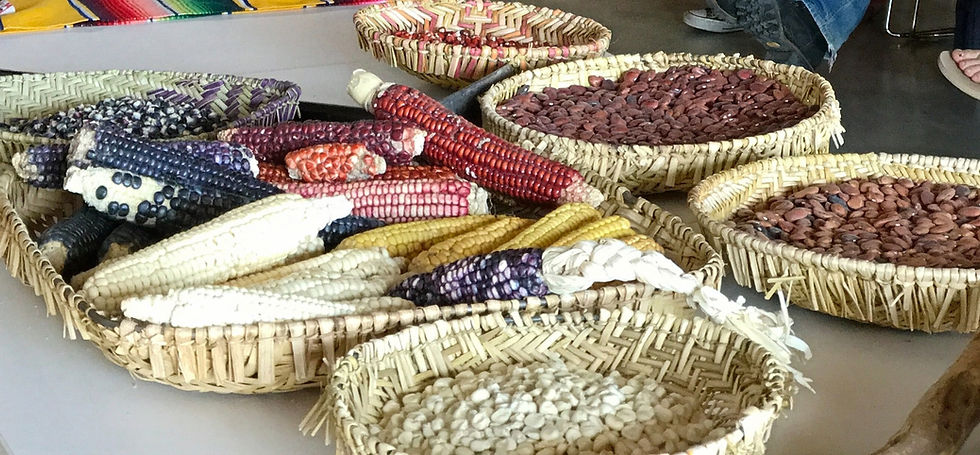
This wasn't just gardening; it was agricultural genius. The Three Sisters represent a perfect model of circular economics: corn provides the structure, beans fix nitrogen in the soil (a natural fertilizer), and squash acts as living mulch [2]. The resulting products—dishes like steamed corn stew (hominy), blue corn mush (taashchozh), and kneel-down bread—were powerhouses of complex carbohydrates, fiber, and protein. This was sustainable food security before it was a buzzword.
2.2. The Original Venture Foragers: Wild Plants, Teas, and Ashes
The landscape was our ancestors’ grocery store, pharmacy, and spice rack all in one. They were master foragers, harvesting wild spinach, onions, prickly pear cactus, and pinion nuts. Sumac berries (chiilchin) were used to make a refreshing drink or pudding. A key nutritional technology was the use of alkaline ash, particularly from cedar (tʼiis), juniper, and other plants. When added to cornmeal, the ash acted in two critical ways: it unlocked bound niacin (preventing deficiency) and provided a direct, bioavailable source of essential minerals, most notably calcium and iron [3]. A spoonful of ash was the ancestral equivalent of a daily multivitamin.
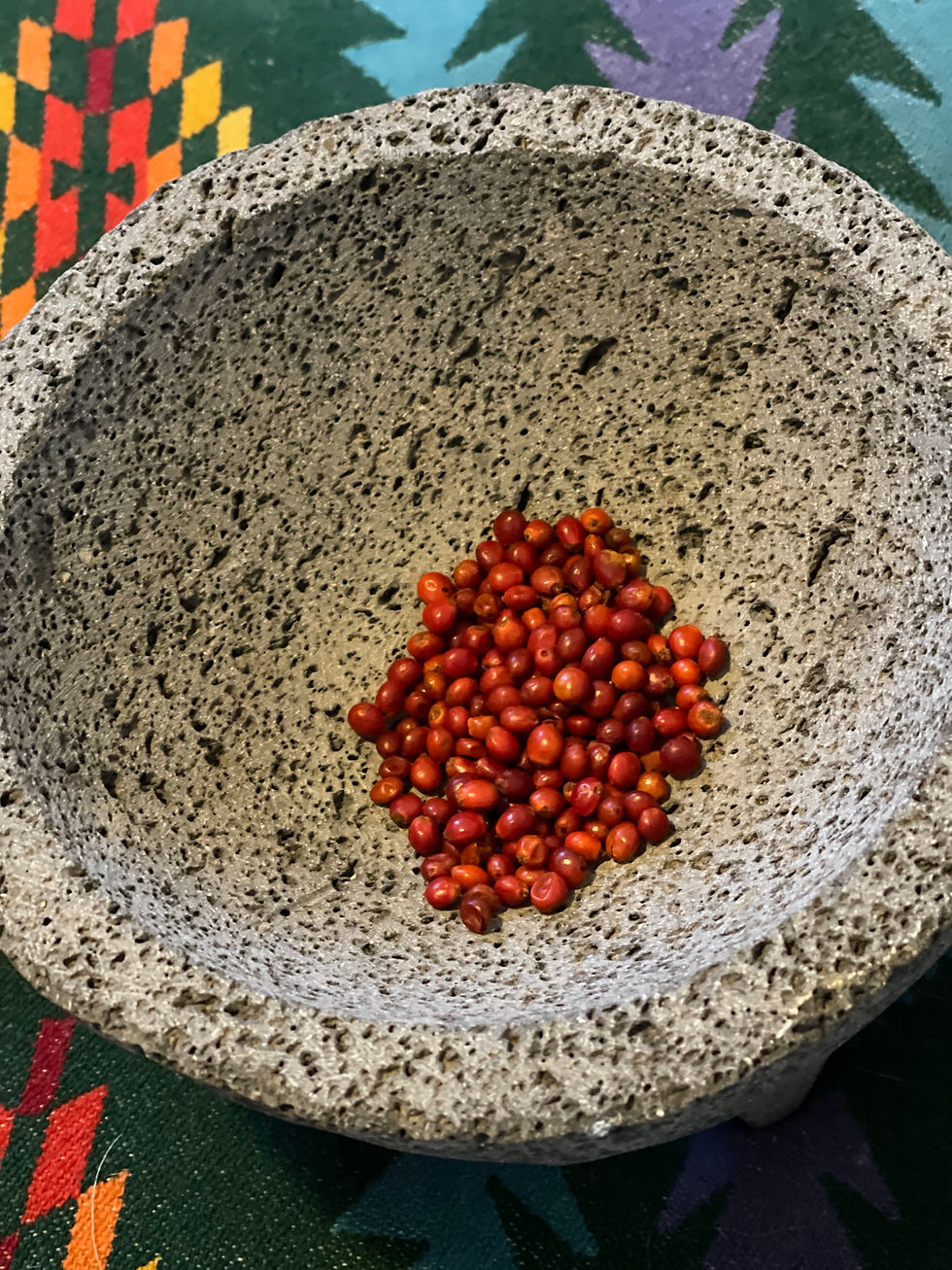
Another daily staple was Navajo or Hopi tea (C. greenei). This wasn't just a comforting beverage; it was a health tonic, traditionally used to aid digestion, soothe stomach troubles, and as a general wellness drink, rich in antioxidants.
2.3. Lean, Mean, Grass-Fed Machines: The Navajo-Churro Sheep
Protein was consumed like a strategic resource—valuable and used wisely. The Navajo-Churro sheep was our version of a perfectly managed renewable asset. This wasn't passive grazing; it was holistic management. Sheep were intentionally grazed on specific plants like ts’a for flavor and diwoozhii as a tenderizer [4]. This "finishing" process likely enhanced the meat's nutritional profile, making it lean and rich in omega-3s.
- Ts'a
my Chei herding 6 miles average
My Daughter's Hopi Piki and Simivigi
2.4. The Built-In Fitness App: Discipline, Lightness, and Running
Crucially, this diet was paired with a lifestyle of profound physical and mental discipline. The ideal was to be "feather-light" – physically agile, mentally clear, and spiritually prepared. This was achieved through core teachings: Early Rising, greeting the dawn; Light Eating, consuming modest portions to prevent sluggishness; and Running as Prayer, a discipline to build endurance.
The legendary endurance of Hopi runners, who could cover 30-mile distances, is a testament to this. Their secret weapon wasn't an energy gel, but piki bread. Made from ultrafine blue cornmeal mixed with ash and baked paper-thin, piki is the ultimate lightweight, high-carbohydrate endurance fuel. A runner could carry a roll that provided sustained energy without weighing them down, perfectly embodying the virtue of being "feather-light" [5].
- The Health Dividends: Performance Metrics of an Ancestral Diet
The health outcomes of this system were impressive. My grandfather’s generation showed us that a diet rich in whole grains, legumes, vegetables, and lean protein is proven to prevent and manage chronic illnesses like Type 2 diabetes and heart disease [6]. The benefits were holistic, encompassing mental and spiritual well-being through the discipline and connection fostered by this lifestyle [7]. In short, the system worked.
- Hostile Takeovers and Systemic Barriers: Why We Lost the Recipe
So, if this system was so brilliant, what happened? The answer is a history of "hostile takeovers" and "market disruption."
- Historical Trauma and Forced Shifts: Federal policies, including livestock reduction and forced relocation, deliberately dismantled our production infrastructure [8]. The introduction of commodity foods flooded our communities with cheap, inferior products.
- Food Deserts as Market Failure: Many of our communities now exist in "food deserts," where access to traditional foods is replaced by processed commodities [9].
- Loss of Intellectual Capital: The intergenerational knowledge of how to work within this system is at risk of being lost.
Conclusion: A Path to Restorative Economics
Understanding this history is not an exercise in nostalgia; it's a due diligence report. The growing movement to reclaim our foodways is, at its heart, an exercise in restorative economics and food sovereignty.
The wisdom to heal our bodies and our communities is not a secret. It’s encoded in the seeds of our corn, the resilience of our sheep, and the stories of our elders. By re-engaging with this knowledge, we are moving forward with a time-tested blueprint for a future where “Sa’agh’ Naa’gai Bi’ke’ Ho’zho” is once again an achievable goal.
Ahxehee' (Thank you).