A Personal Prologue: The Global Ancestral Table
My life's work lives at the crossing-place of global systems and ancestral wisdom. As part of my doctoral research, I have been taking apart the very frameworks we call "sustainable development" — and arriving at a quiet, stubborn conclusion: the most resilient models are not innovations at all. They are ancient principles, waiting to be remembered.
This is not abstract for me. It is the heartbeat of my inheritance.
I come from forest-dwellers and amber traders on the cold shores of the Baltic Sea. I am also the grandson of a sheepherder who walked in beauty for more than a hundred and three years — and whose passing was not sorrow but celebration, a final journey met with the deep contentment that comes only from a long life lived in balance with the land. And in my own home, my children carry a third ancient thread: a lineage of the high mesas, rooted in one of the most continuous agricultural traditions on Earth.
Three peoples. Three continents of memory. One table.
It is from this place — of research and of blood — that I helped launch a wellness initiative with RedRoad Journey, where we translate these ancestral principles into practical programs for holistic health.
At our table, we do not simply eat. We remember. We speak the language of fermented rye and blue corn, of wild mushrooms and desert tea. This is more than culinary fusion. It is a living dialogue between continents — proof that the wisdom for a sustainable future is already written in the seed banks of our past.
This is your invitation to the global ancestral table.
Walking in Beauty, Eating in Balance
Here is the thesis, plainly: the traditional foodways carried by Indigenous, rural, and transitioning peoples worldwide are not quaint survivals. They are sophisticated, time-tested models of sustainable food systems — sciences of nourishment refined across a thousand seasons.
I hold them inside a single philosophical goal, one my grandfather lived by: Sa'ah Naaghái Bik'eh Hózhóón — a long life lived in beauty. Enrich that ideal with Baltic resilience and desert ingenuity, and you have a template anyone, anywhere, can begin to inhabit. What follows is a look at the nutritional intelligence of these diets, the real barriers to reclaiming them, and a practical path home.
The Lands and Cultures of Our Ancestors
To understand the food, you must first feel the land and the spirit of the people.
The Resilient Heart of the Baltics
On the edge of the Baltic Sea lies a nation of forests and lakes and a deep, enduring bond with the natural world — pagan roots woven through with later Christian influence, traditions that still celebrate the solstices and honor the earth. The culture is built on a quiet, stubborn perseverance — sėkmė — forged through a long history of hardship. You taste it in the food: hearty, fermented, preserved, engineered to sustain a family through long, dark winters. The family, šeima, is the core unit, and hospitality is sacred — always offered with dark rye bread and salt.
Walking in Beauty in the Desert Southwest
The homeland of my grandfather's people spans the high desert of the Four Corners — a vast, staggering landscape of red-rock canyons and mesas. The culture is structured around K'é, a kinship system that is far more than family: a web of responsibility extending to all people, the land, the animals, the cosmos itself. The purpose of a life is Hózhó — a state of beauty, harmony, balance. Food, language, and ceremony all bend toward that one aim. My grandfather's hundred and three years were a masterclass in it.
Guardians of the High Mesas
My children's ancestors are the ancient inhabitants of three mesas that rise from the Arizona desert. Their name means, in essence, "The Peaceful People," and their culture is one of profound peace, ceremony, and agriculture. They are dry-farmers, coaxing corn, beans, and squash from arid sand with methods and prayers passed down for over a millennium. Corn is not merely a crop to them; it is a sacred being, a mother that sustains life. Their ceremonial calendar — the Snake Dance, the Bean Dance — is a sustained prayer for rain, renewal, and the balance of the world.
The Sacred Cycle: From Seed to Spirit
1. The Seed and the Sheep: A Covenant with the Future
Everything begins with genetic integrity. We are seed keepers — guardians of heirloom, non-GMO corn, beans, and squash. And we shepherd the Navajo-Churro, one of North America's oldest livestock breeds.
The Churro is a marvel of adaptation. Its double-coated fleece — a coarse outer layer that sheds rain and snow, a soft warm inner layer prized by weavers the world over — is not only culturally vital but hypoallergenic and remarkably durable. But the true magic is in the meat. Because these sheep range-feed on a diverse diet of native plants like sagebrush and winterfat, their meat is leaner and higher in beneficial Omega-3 fatty acids than conventional, grain-finished lamb. It is clean, high-quality protein, rich in iron and B vitamins — exactly the kind of nutrient-dense food that carried whole generations into old age.
2. The Cultivation: A Ceremonial Practice
Raising food is a prayer. This intimate, reciprocal relationship with land and creature stands in stark contrast to industrial agriculture — and it is a principle anyone can embrace, on any continent: know the source of your food, and honor it.
3. The Harvest: Custom and Alchemy
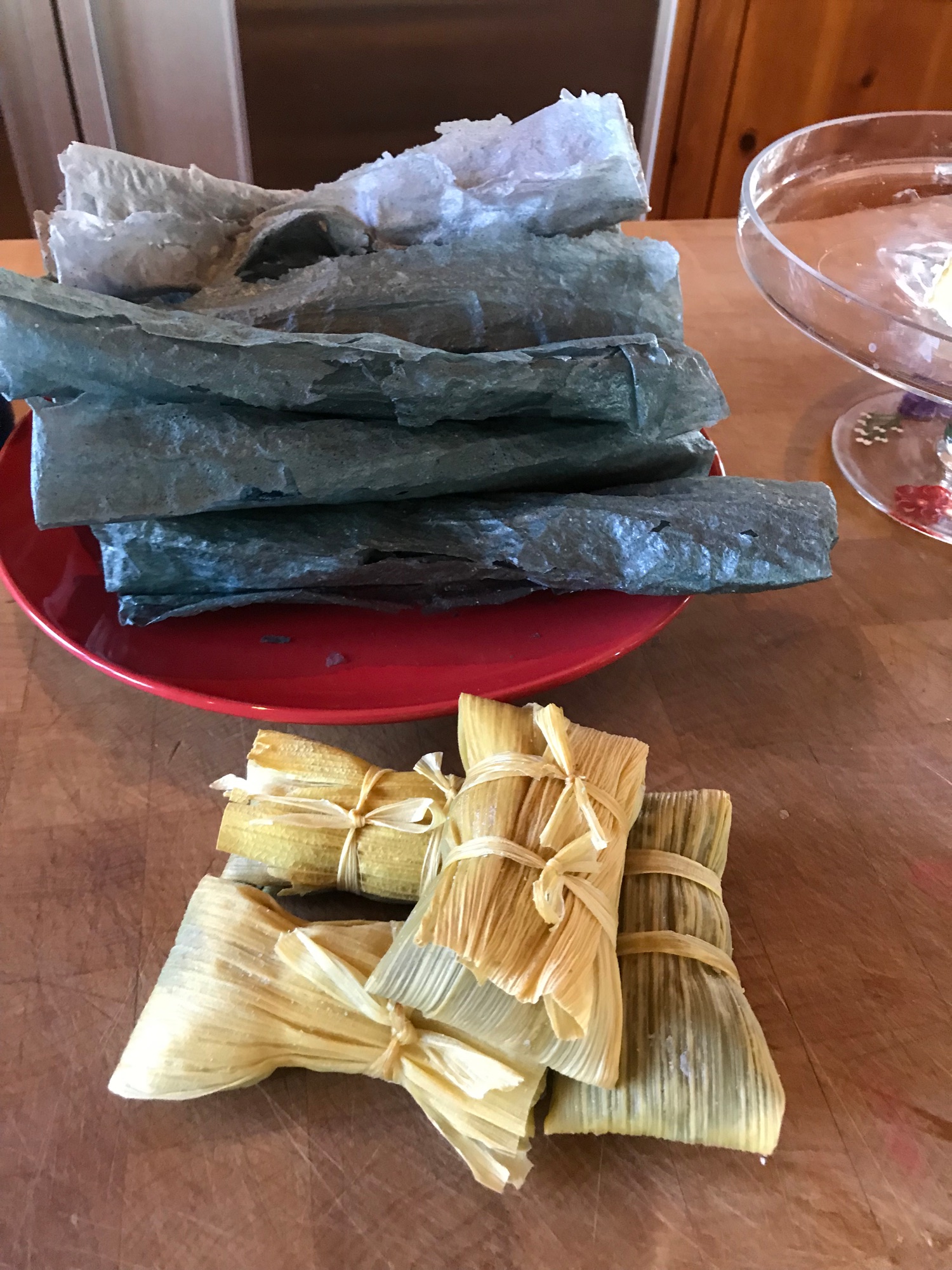
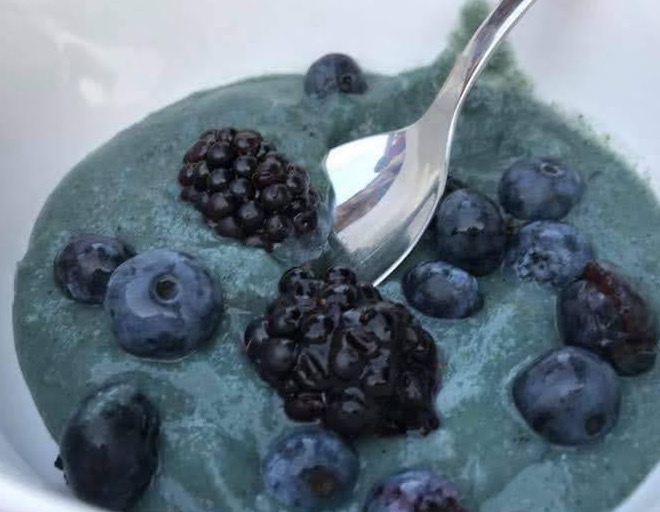
The science of ash and corn. Nixtamalization — treating corn with ash or lime — is a global ancestral secret. It unlocks niacin and makes minerals bioavailable, turning blue corn mush and thin ceremonial breads into genuine superfoods.
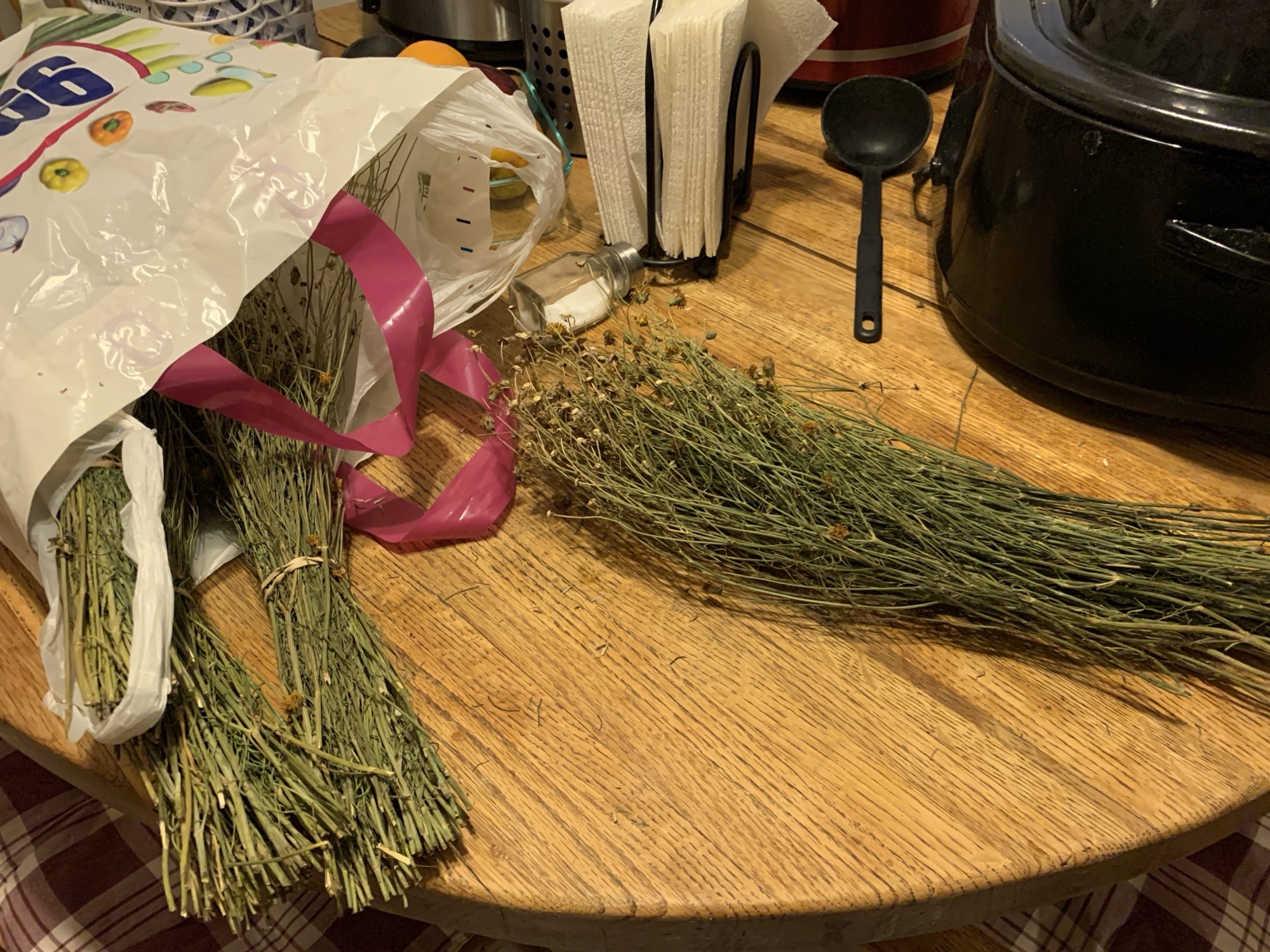
Desert tea. Brewed from the Thelesperma plant, this is not merely a beverage but a health tonic — naturally caffeine-free, rich in antioxidants, traditionally used to aid digestion and soothe the stomach. A gentle, cleansing daily medicine drawn straight from the desert.
Baltic fermentation. The northern contribution is the alchemy of ferment. Sourdough rye bread and kefir-based cold beet soup are probiotic powerhouses that tie the health of the gut microbiome to the vitality of the whole body.
How You Can Walk This Path
You do not need Churro lamb or blue corn to begin. The philosophy is universal:
1. Embrace whole, heritage foods. Seek out local heritage-breed meats and heirloom vegetables — their nutrition is often superior — and support the farmers near you who work regeneratively.
2. Learn the alchemy of preparation. Explore ferments: sauerkraut, kefir, sourdough. Soak your grains and legumes to unlock their nutrients. Small acts, ancient kitchen wisdom.
3. Savor lean, clean protein. Choose quality over quantity — grass-fed and pasture-raised where you can. Eat "feather-light": modest portions of high-quality protein, for sustained energy.
4. Incorporate plant-based tonics. Follow the lead of the desert brew. Let nettle, mint, or chamomile become simple, powerful daily allies.
5. Eat with intention. Food is more than macronutrients. It is connection. Cook for your family. Share meals with your community. Know the story behind what is on your plate. That mindfulness is the first step toward true nourishment.
The Ultimate Restorative Investment
The research is clear, and my elders' lives are the proof: a diet rooted in whole, traditionally prepared foods is a cornerstone of a long and beautiful life. The work with RedRoad Journey is simply to make that wisdom accessible and actionable again.
This is not nostalgia. It is the most rigorous due diligence we can do — on our own bodies, and on the body of the planet. The movement to reclaim our foodways is, at heart, an act of restorative economics and food sovereignty: keeping nourishment, wealth, and wisdom home, in the hands of the people and the places that grew them. It is the same current that runs through everything I write — from Stone Breath to The Amber and the Stone, from The Council Fire to The Far Messengers — the long labor of helping peoples and nations transition, as the globe shifts beneath us, away from extraction and back toward systems that nurture.
And this is the question I place over every seed we save and every meal we share: will this make our great-grandchildren whole, or hollow them out? Ask it, and the path clarifies.
The wisdom is not lost. It is encoded in the seed of the corn, the resilience of the herd, the fermented rye of the north, and the stories of our elders. The fire is still lit. You are not alone — the circle holds, and it holds you.
So re-engage with this knowledge, and know that you are not merely eating. You are investing in a future where walking in beauty is an achievable goal for all.
Ahéhee'. Kwakwhá. Ačiū. Thank you.