There is a question I carry into every room, every plan, every new technology that lands in our hands like a lit coal: Will this make the great-grandchildren whole, or hollow them out?
I ask it now of artificial intelligence and robotics, because these tools have walked out of the laboratory and the factory floor and into the living world — into the fields, the forests, the marketplaces, the quiet places where people are trying to keep body and community together as the climate shifts beneath them. The change is urgent. The planet is warming. And for the first time in a long time, the same intelligence we once built to speed up extraction can be turned — deliberately, with intention — toward repair.
That is the story worth telling. Not the machines themselves, but what we choose to point them at.
Standing Between the Fire and the Village
Wildfires have grown fiercer across the world — in the pine highlands, the eucalyptus forests, the dry grasslands that ring so many communities. They threaten ecosystems, homes, and whole local economies in a single afternoon of wind. And here, quietly, something is changing.
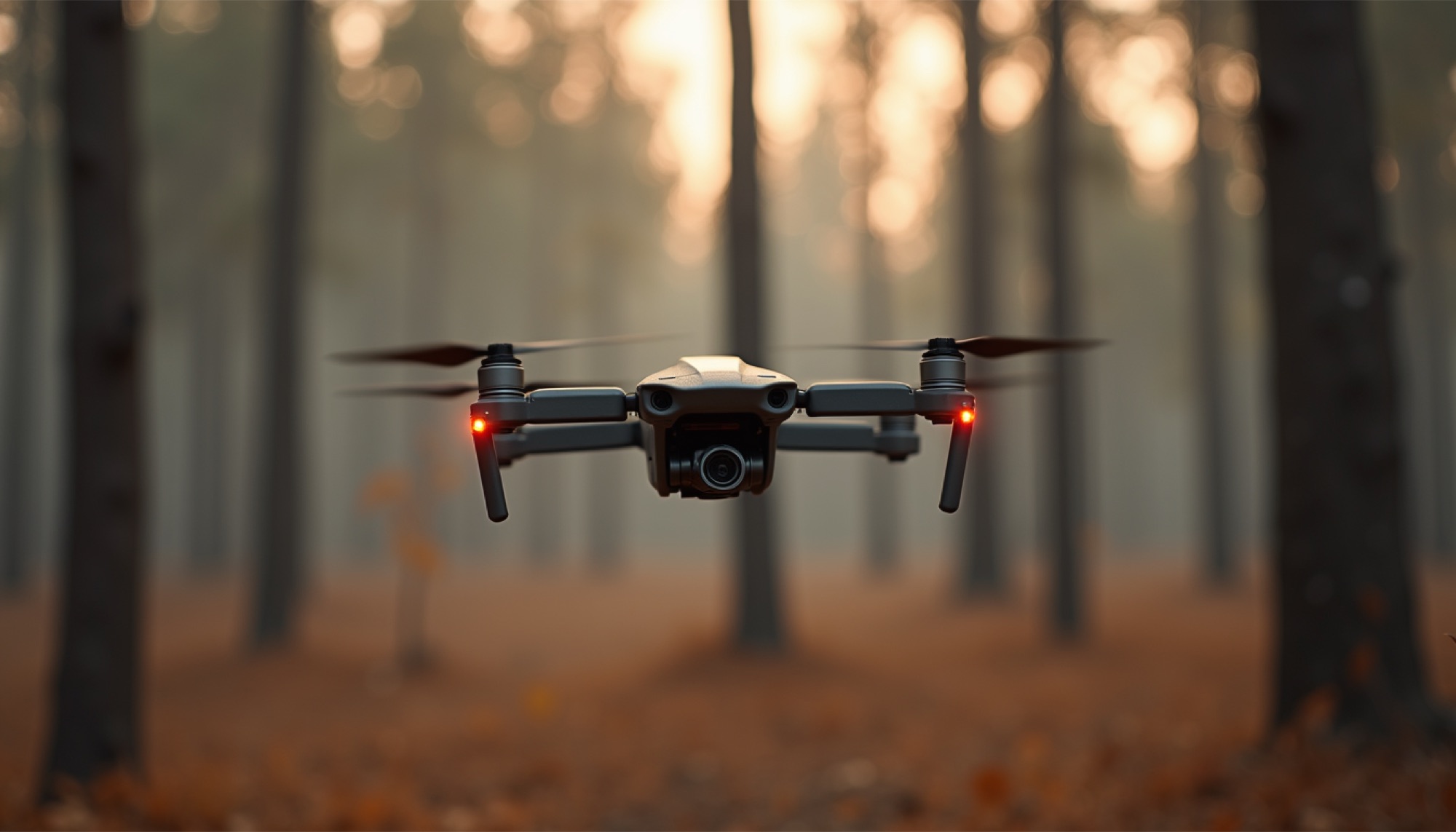
Autonomous drones fitted with thermal sensors can now find a hotspot while it is still a whisper, mapping the spread of a fire in real time before it becomes a roar. Ground robots — machines like Brave Bot — can walk into the hazardous zones no person should enter, clearing underbrush and performing the careful, ancient work of controlled burning that keeps a forest from becoming a tinderbox. They can labor through the night without a single human life placed in the flame's path.
Above it all, AI reads the weather, the vegetation, the shape of the land, and begins to predict how a fire will move — turning our oldest reactive scramble into something closer to foresight. This is the turn from surviving the fire to standing between it and the village. It is exactly the kind of stewardship my ancestors would have recognized: not conquering the land, but tending it so it holds.
Technology in Service of the Old Knowledge
Here I want to be careful, because this is where these tools can either honor a people or erase them.
Indigenous, rural, and land-rooted communities the world over carry deep, hard-won knowledge of their own ecosystems — knowledge earned over centuries of listening. Yet they often stand most exposed to the storms of climate change and economic pressure. Used with humility, AI can help keep what these communities know rather than replace it: archiving oral histories before the last speaker passes, translating and preserving endangered languages, documenting the ecological wisdom that no textbook ever recorded.
Robots and drones can join that work — replanting native species, monitoring the health of a forest or a watershed, watching over biodiversity across terrain too vast for any small community to walk alone. Done right, the technology does not colonize the old knowledge. It amplifies it. It hands the stewards better tools and then steps back, so the wisdom stays home, in the hands of the people who earned it.
This is the whole heart of the work I return to again and again in The Council Fire and Stone Breath — the movement from extraction to ownership, from wealth and wisdom flowing out of a community to wealth and wisdom kept within it. A drone is only metal and code. Whose hands hold the controls, and whose future it serves — that is everything.
Growing Food and Power From the Same Sun
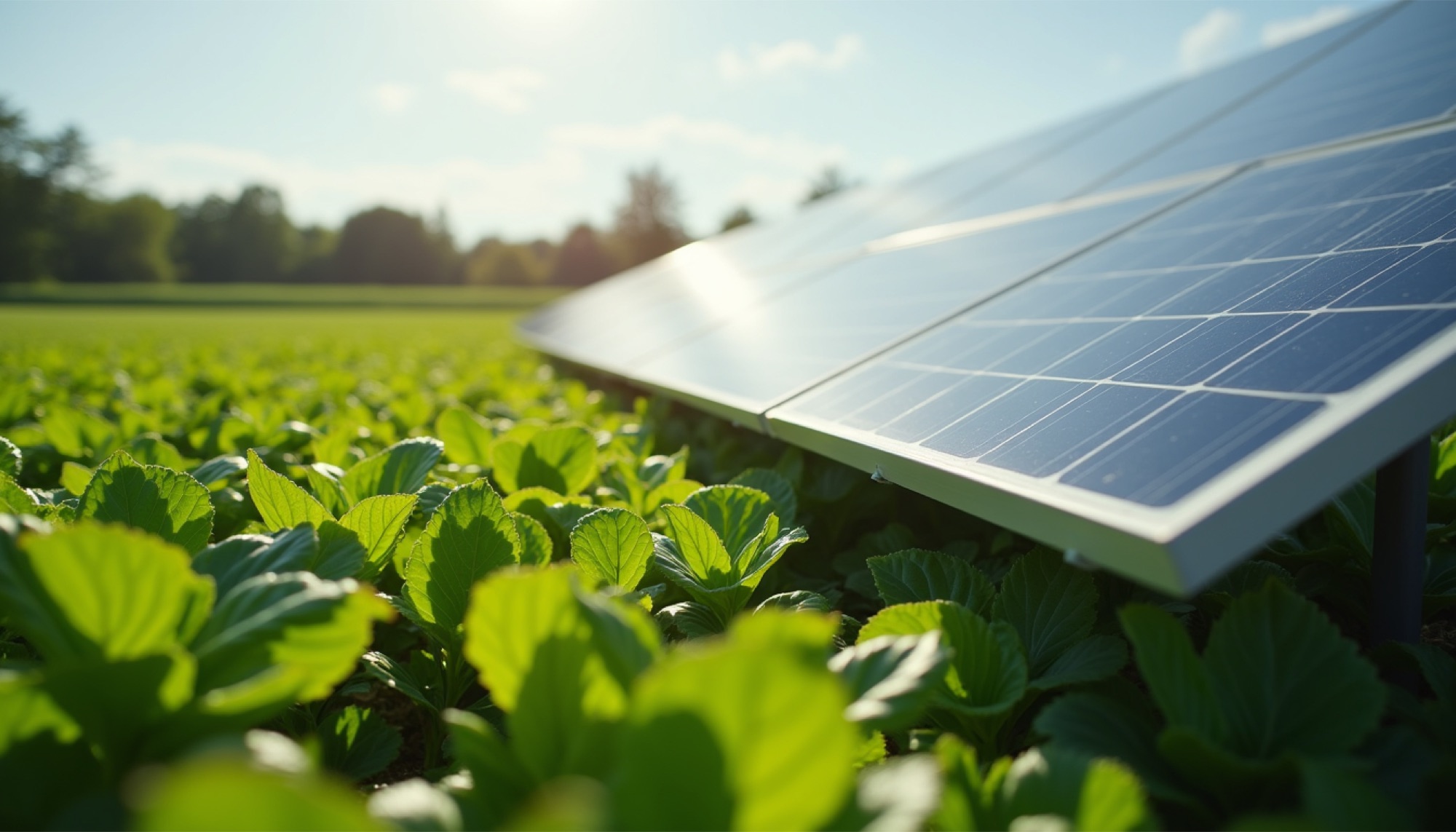
There is an old wisdom in doing two things with one gift, and agrovoltaics — raising crops in the dappled shade beneath solar panels — is that wisdom made modern. From the same sunlight, a family harvests both food and power.
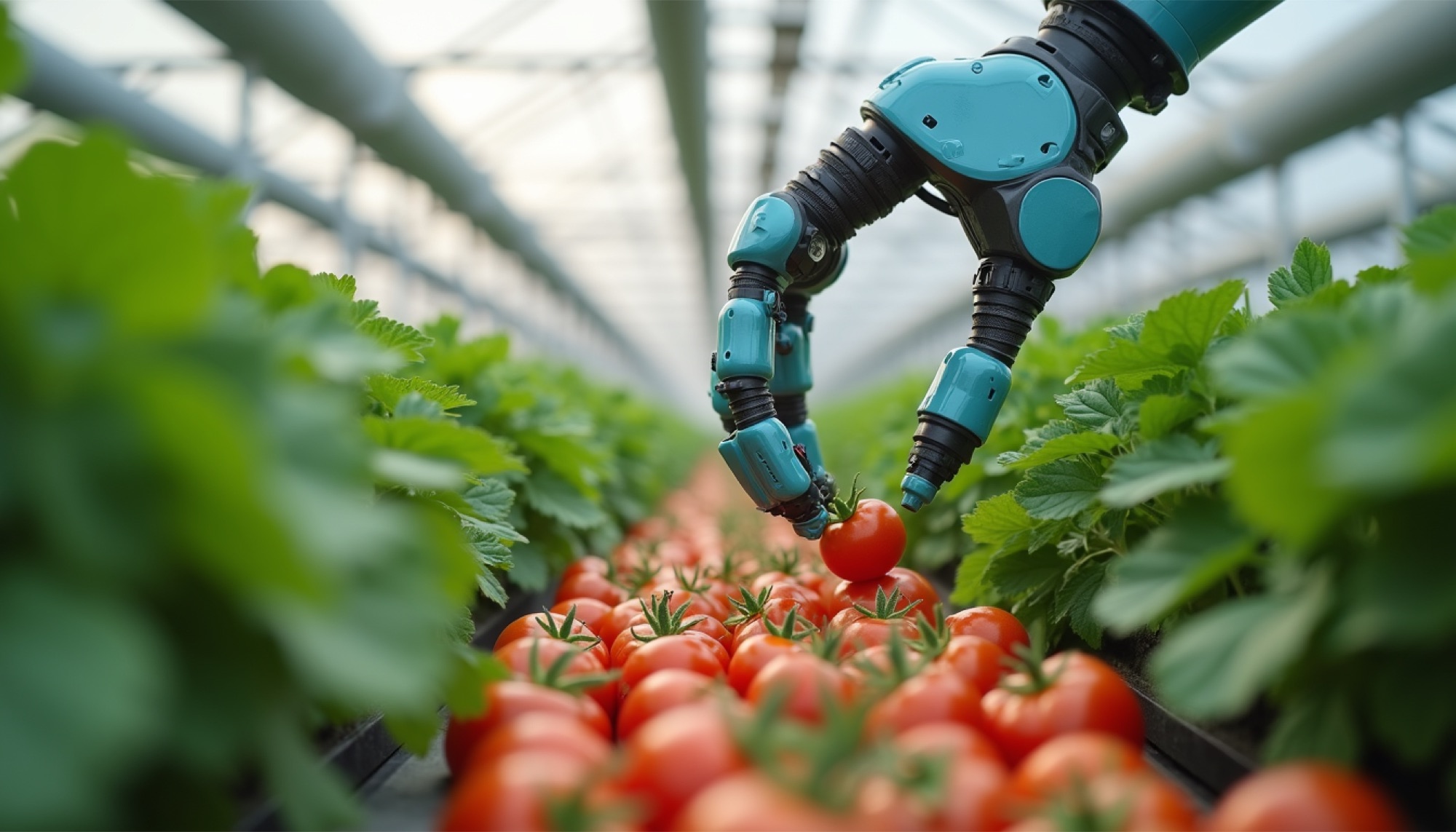
AI sharpens the practice: placing the panels, choosing the crops, balancing the yield of energy against the yield of the field so that neither starves the other. Machine-learning models read soil health, weather, and pest risk and whisper back precise, gentle interventions instead of the heavy hand of blanket chemicals. Robotics take on the planting, the harvesting, the packing — lowering costs and lifting productivity for growers who have always run on thin margins.
What this really offers a farming family is not a gadget. It is another stream of income, a loosened grip of the fossil economy, and a doorway into markets for specialty and regenerative goods that once stayed closed. It is diversification — the oldest survival strategy there is — carried into a new century.
New Markets, and the Question of Who They Serve
The world's hunger for wellness — for health, for stillness, for a way of living that does not consume the future — is growing fast. AI is learning to meet it personally: wearable devices that watch over vital signs and stress, quiet coaches offering guidance on nourishment, movement, and the care of the mind.
In commerce more broadly, these same tools smooth the supply chains, forecast demand so less is wasted, and keep a small enterprise's shelves in balance. Virtual assistants keep a shop's door open at every hour. For a transitioning community trying to build something that lasts, these are real levers — ways to reach a global market without surrendering the soul of the place you come from.
But I will not pretend the tools are neutral. A market can lift a people or extract from them, depending entirely on who owns the machine and where the money finally comes to rest. The measure is always the same: does the wealth stay home?
The Sector Itself Is Learning to Bend Toward Life
The encouraging truth is that the AI and robotics world is beginning to shape itself for this work. Startups and research institutions are building leaner, more energy-frugal models that can run in remote and resource-limited places — the very places that need them most. Open-source platforms invite collaboration across disciplines and across borders, so that no single company holds the keys.
Robotics firms are designing machines for the honest, unglamorous labor of the living world: reading soil, watching wildlife, sensing the health of a place. And an ecosystem is emerging — imperfect, still finding its conscience — in which economic vitality and ecological balance are no longer treated as enemies.
The Fire Is Still Lit
I do not believe technology will save us. I have never believed that. Machines do not have values; we do. A drone can start a healing burn or a surveillance state. An algorithm can preserve a dying language or flatten a culture into data. The tool waits, indifferent, for our intention.
But I also do not believe it is too late — for the forests, for the farms, for the communities that have been told for generations that the future belongs to someone else. It does not. The fire is still lit. And if we point this astonishing intelligence toward repair rather than extraction, toward keeping wealth and wisdom home rather than shipping them away, then these strange new tools might just help us do the oldest work of all: leaving a whole world to the ones who come after us.
You are not alone in this. The circle still holds. And the hands that turn these machines toward life — they can be yours.
Tony Skrelunas is a writer and speaker working at the intersection of technology, economics, culture, and ecology. Drawing on global research and inherited wisdom from several of the world's enduring traditions, he explores how emerging technologies can help peoples and nations transition to more nurturing systems — building resilient, self-owned futures as the globe shifts. He advises international AI-governance and robotics initiatives, and is the author of Stone Breath, The Amber and the Stone, The Council Fire, and The Far Messengers.