Intergenerational Healing
A people that is still afraid cannot build anything.
Every people on earth is carrying something it did not choose. The work is not to forget it. The work is to take it out of the driver’s seat — and that takes a hundred years, six ceremonies, and elders who keep the date.
The diagnosisSay it plainly, or nothing after it is true
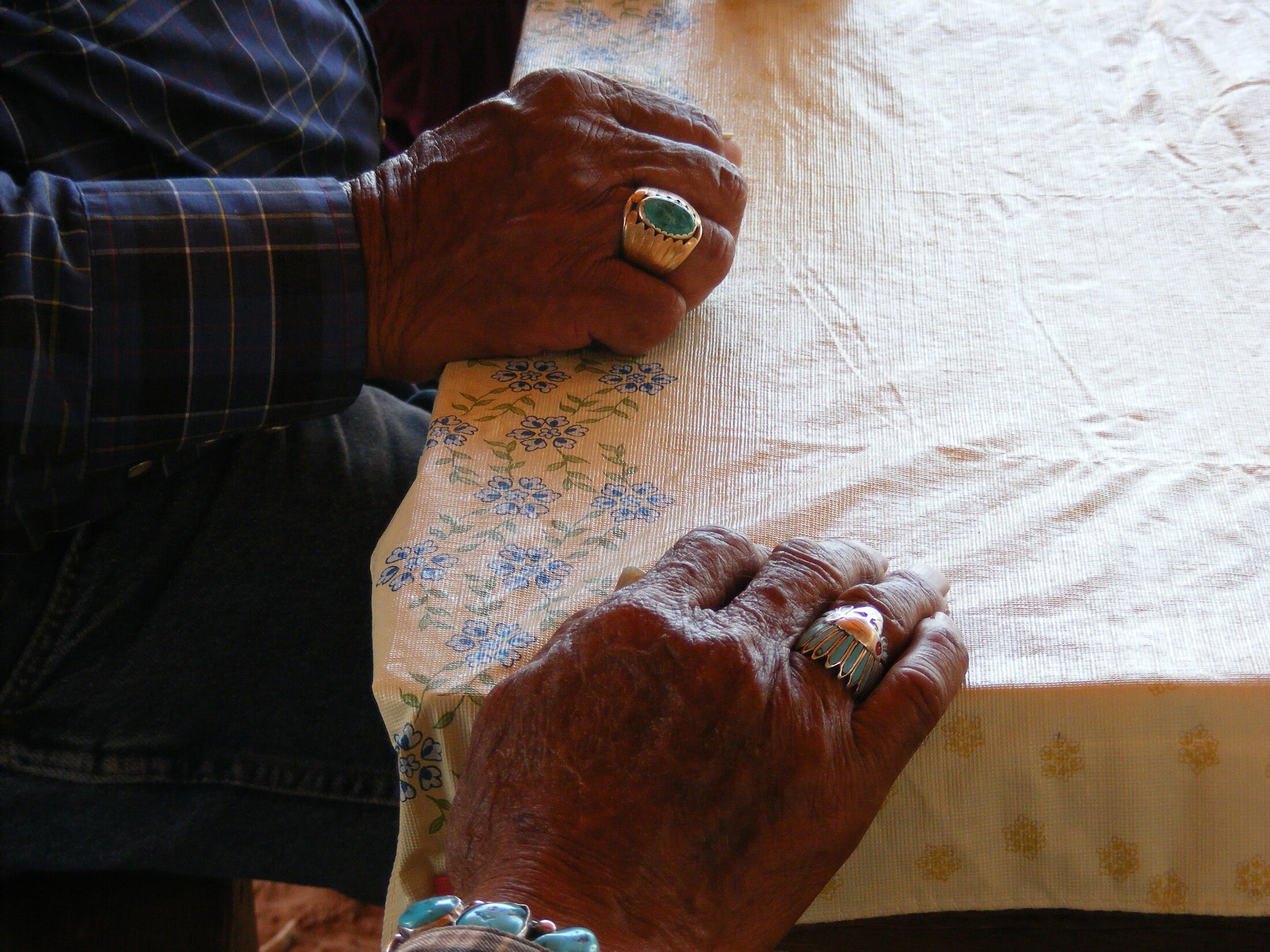
The wound is old, and it is not one people’s wound alone.
Mountain peoples. River peoples. Peoples of the ice road, the rice terrace, the long coast. Ask any of them what was taken and you get the same list in a different tongue. The land. The law. The language. And then, last and worst, the children — carried off, renamed, beaten for the words their grandmothers gave them, sent back as strangers to their own kitchens.
Different empires. Different centuries. One sentence, spoken everywhere: your language is worthless, your gods are devils, your way is a thing to be ashamed of.
And here is the part nobody wants at the front of the report. After enough years, some of us came to half believe it. The empire went quiet on the outside and kept talking on the inside. A grandmother’s ceremony started to look like poverty. A child’s own tongue started to feel like a thing to hide. That is not the land taken. That is the mind taken, and it is the deepest one, because it does not feel like an injury. It feels like your own opinion.
The sideways fireWhat a wound does when it cannot reach what caused it
A fire needs somewhere to go. When the thing that hurt a people is too big to strike — a government, a market, four hundred years — the fire does not go out. It turns sideways. It goes at the neighbor. At the one who rises. At the young person who speaks the old language cleanly at a gathering and is asked, by her own people, who she thinks she is.
Every people on earth warned against this at its very beginning. Do not envy. Do not gossip. Do not bear false witness. Do not tear down the one who stands up. You do not write a law against a thing that never happens. What the taking did was not invent that wound — it shattered the container every people had built to hold it, and then handed the whole thing a machine with a bright screen.
Fear is not merely painful. Fear is disabling.
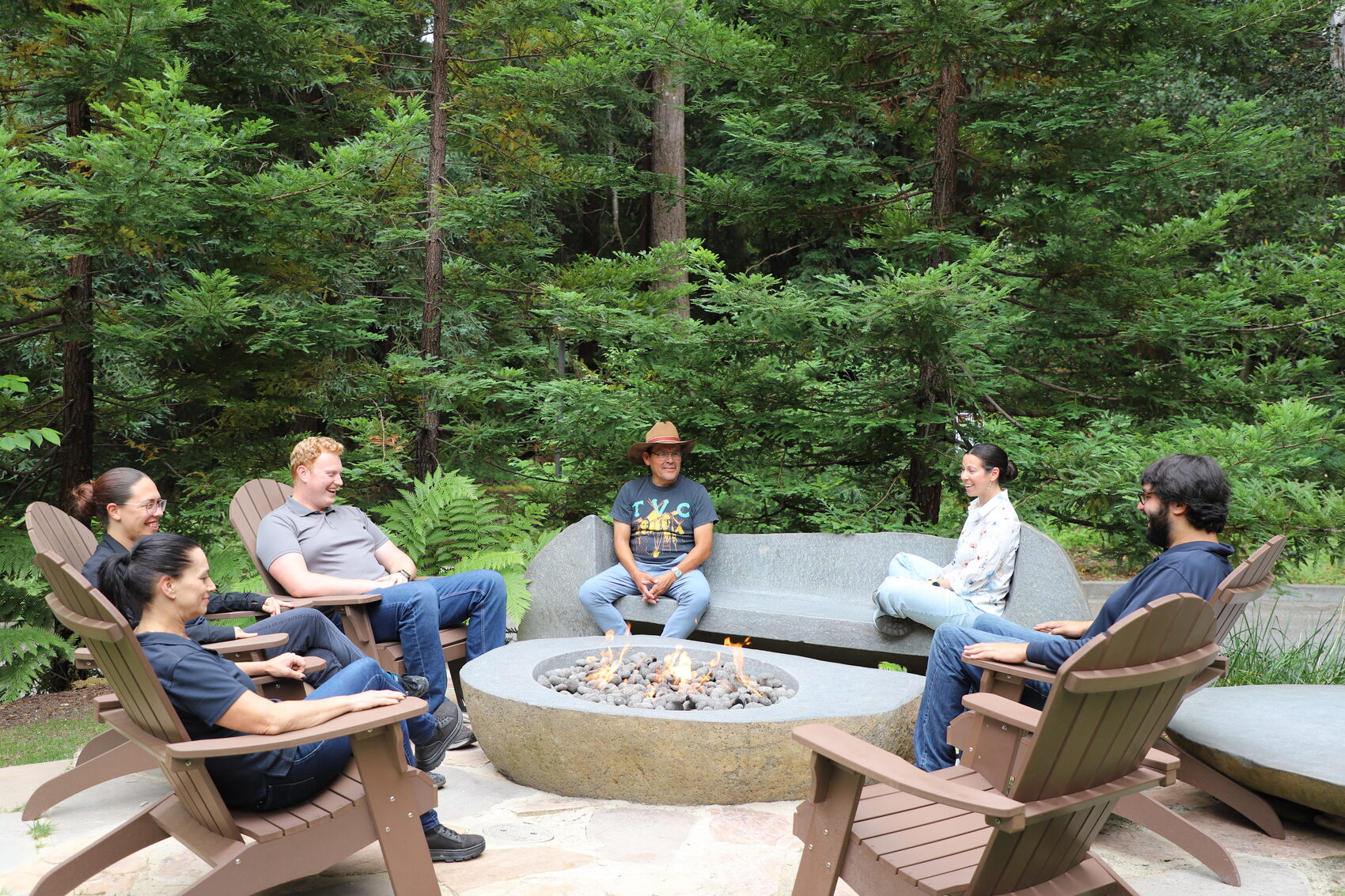
The Council FireA body braced against a tiger cannot plan. It cannot learn, or keep what it learns, or remember what its grandmother knew, or think eighty years out. That is why the wellness comes first and not last. Not as the reward at the end of the rebuild. As the ignition at the start. The calm, and then the house.
You cannot heal a wound you will not look at. So the first ceremony is the naming.
Six ceremonies · three generations · nothing that needs a license
The healing pathStructural, not therapeutic
Not a program. Six things a community does, forever.
Nobody is a patient here. There is no intake form and no waiting list. The whole of it is built into the ordinary year of a place — the turn of a season, the raising of a child, the farewell to an elder. It needs elders in the room and children at the edges, and it needs a community that will keep the date.
These six were named at the fire. They are the spine of the book that comes after The Council Fire, and they are what I take into a community when a community asks.
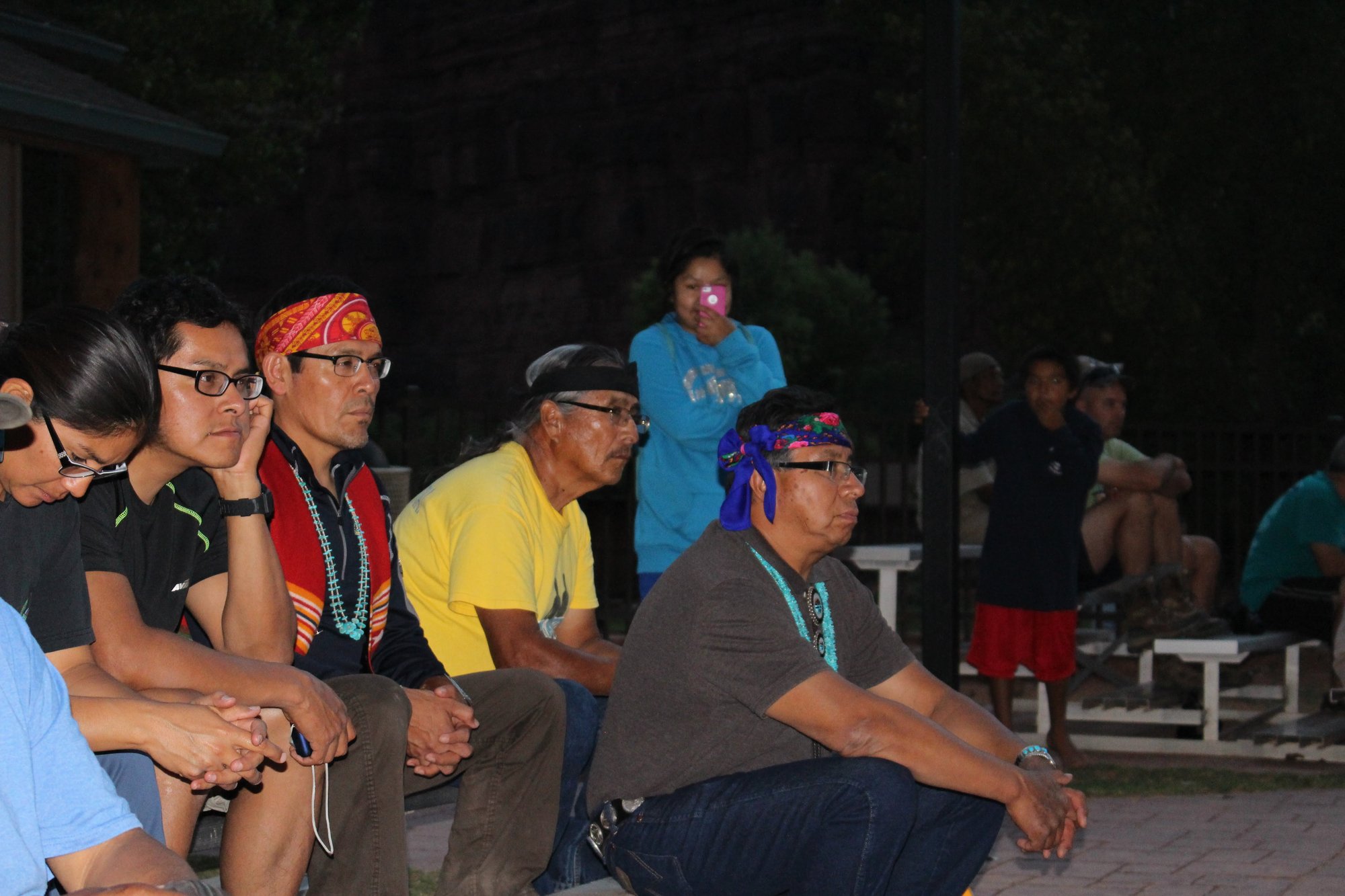
- The Naming CeremoniesOnce a season. The wound of that people said aloud, the young and the old in the same room. Not to reopen what has closed — to make sure the truth is not being carried in silence. The forms already exist. Atlaidai in the Baltic: peace made before the end, debts settled, descendants blessed. Hozhonji among the Diné: the ceremonies that walk a person back into beauty. Every people has its own version. The work is finding yours.
- The Grief WorkOnce a year. Two days, three if it needs them. The specific losses of that place, named out loud: the language that almost died, the song nobody remembers, the children who did not come home, the war, the crossing, the epidemic, the river that was dammed. Named, mourned, blessed, let go. Not forgotten — released. So the grief stops running the community from behind the community’s back.
- The Ceremonies of ReturnEvery family, at least once, takes a young member back to the place their ancestors came from. If the village is gone, they stand on the ground where it was. If the mountain has been strip-mined, they go anyway. The dying world convinced whole generations that they came from nowhere. This is a people’s answer to that, and it is not made of words.
- The Cognitive CeremonyThe daily practices that reset a mind, put back where they belong. Smudging at morning. The trickster stories at the family fire. And laughter, on purpose, as medicine — “we will laugh you back to health,” the old ones said, and they were not being sweet about it. Every people keeps some version of this. Laughter is not a break from the work. It is part of the work.
- The Raising of the ChildrenThe deepest piece, and the reason for the other five. A child spoken to by name. Told who their people are, what they have carried and what they have built. Given a song of their people. Given a practice in the body before the age of argument — running before the sun, walking a river, greeting a tree, naming a star. And not handed what the parents were handed. Raised in fullness instead of survival. That is the point of the whole hundred years.
- The Ceremonies for the DyingAt home. The family present. The debts settled, the blessings given, the songs sung. The way the Diné have always done it, the way the Lithuanians have always done it, the way every people did it before the hospitals took the dying away from their families. The person leaves clean. The family grieves. The community holds them while they grieve. Life continues.
By the end of a hundred years the great-grandchildren will still know the wound. It will be in the story. It will simply not be the first thing they carry.
What the whole path is for
The personal practiceWhere all of it started, for me
I had only ever seen her passing from my side.
I was raised by my great-grandmother, in a hogan on Big Mountain. After she passed I began building the place again in my mind — the plateau, the ground where we lived, the light on it at the hour I remember best. I would bring a small gift. I would sit with her there.
I did that for a long time before I noticed what I was doing wrong. I had been grieving her from my side of it. Every time. I had never once crossed over and tried to sit where she sat.
I stopped only grieving her, and I started to learn from her again.
Tony SkrelūnasThat is the Ancestral Council. It is the smallest version of everything on this page — one person, one fire — and anyone reading this can begin it tonight, in a quiet room, without permission from anybody.
How it is doneFive moves. No equipment.
- Gather your keepersMentors, teachers, elders. Some still here. Some gone. It does not matter which, and that is the strange part.
- Go and greet them in the quietBuild the place first — a plateau, a kitchen table, a workshop that smelled of something. Bring a gift. Sit down.
- Ask from your sideThe question you actually have. Not the tidy one. Say it the way you would say it at two in the morning.
- Then cross overGet up, and go sit where they sat. Look at the thing from their side of it. Let them council you. This is the move almost nobody makes.
- Come back with somethingCalmer than you went in, and carrying an answer you did not have. Every time. That is the test, and it is a hard test to fake.
I have studied this in myself for years, which is the only laboratory I fully trust. Sitting with an elder this way gives back very nearly what sitting with a living one gives back. Actual counsel. Actual wisdom, arriving in a voice you know.
One person’s ancestral council, held by twelve peoples at once, is a council fire. That is the whole seed of the novel, and now you know where it came from.
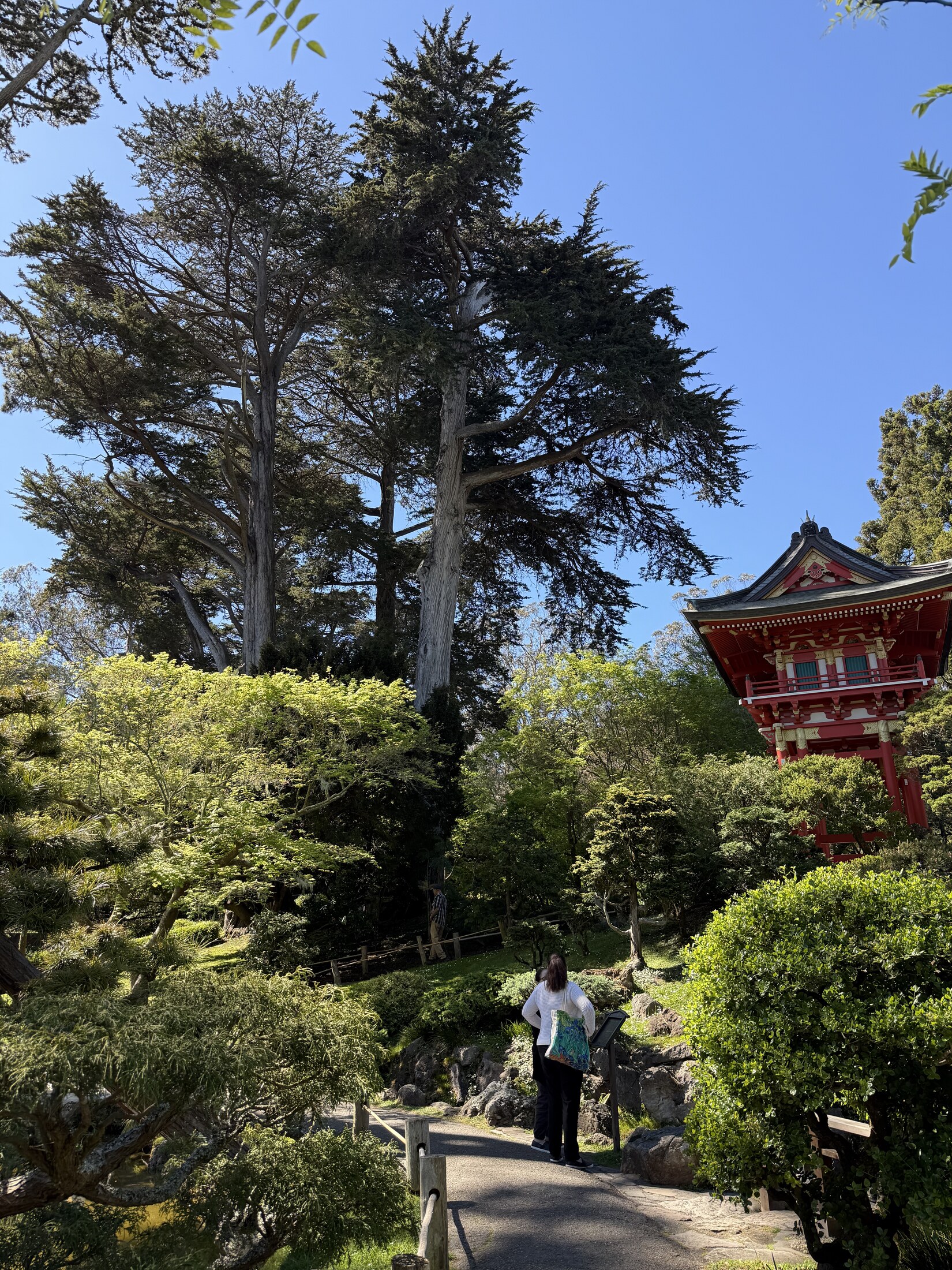
The dying world told whole generations they came from nowhere. You take the young one back and let the ground argue.
The ceremonies of return
The recordNot a theory. The date kept, season after season.
I am not telling you this can be done. I have watched it done.
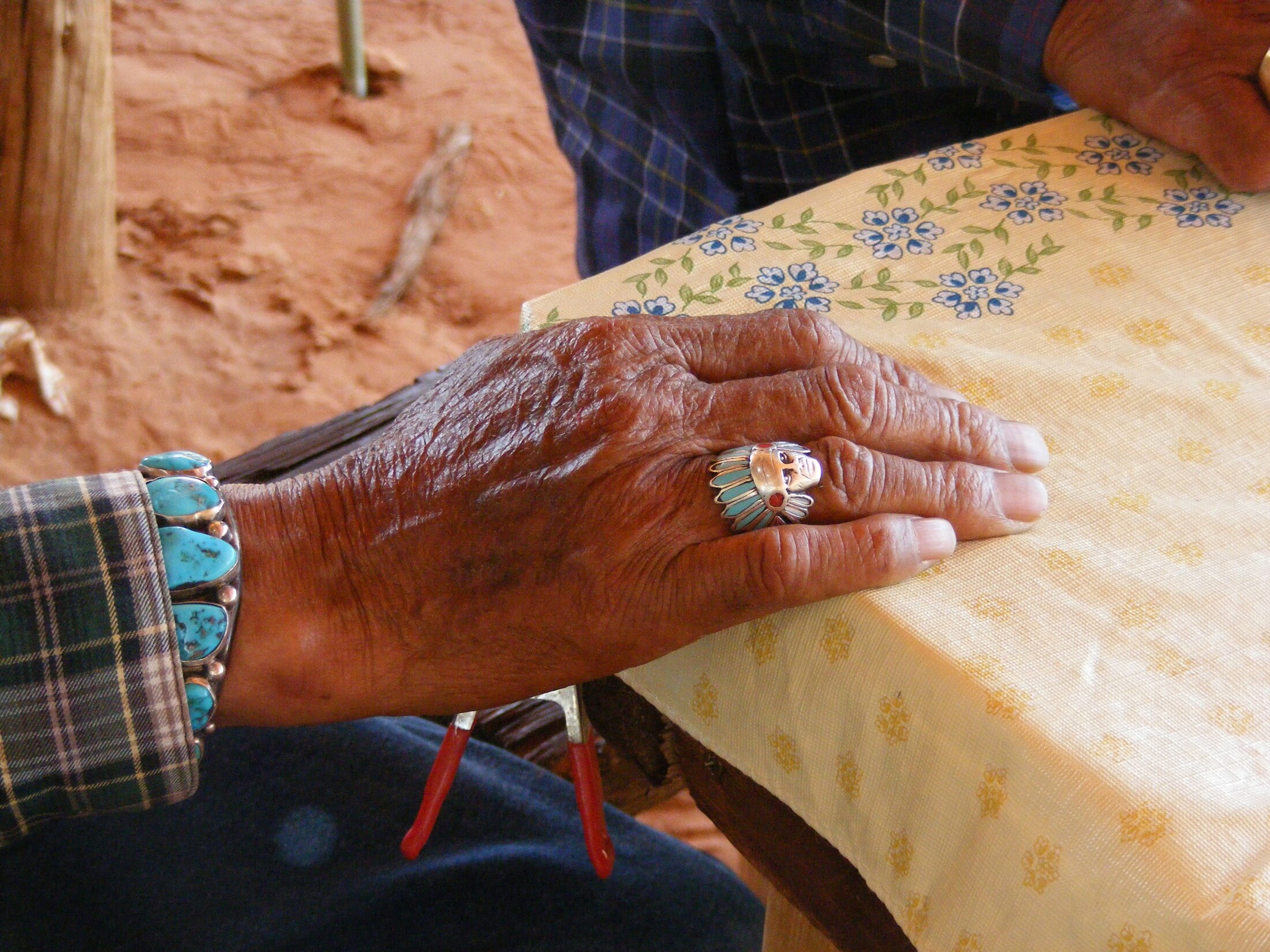
I called the gatherings myself, for ten years, in the old way — not a conference, a fire. Story and teaching and song. What started with the nations of one plateau grew until peoples came from other lands. And they did not only talk. Things got built, in the water and the health and the keeping of the old knowledge, in the places that asked for them.
| The work | What it was | |
|---|---|---|
| i | Ten years of intertribal gatherings | Two a year. Twenty in all. Up to eighty people at a season. Song, running, sweat, food, dance, story — and elders holding the room. The communities that hosted them were changed by them, and can tell you so themselves. |
| ii | Three years at Rancho La Puerta | Organizing and facilitating healing conversations alongside elders, for people who arrived from everywhere and mostly did not know what they had come for. |
| iii | Sedona, 2025 | A three-day wellness gathering. Food as medicine. Horses. Hiking. Sacred yoga, sound, movement. Running paired with a change of diet, which is a great deal older than either of those words. |
| iv | Doctoral research, in progress | Human and organizational performance read through three lenses at once — Diné, Lithuanian, Japanese. Three peoples who never met, arriving at the same instructions. |
| v | A hogan on Big Mountain | I was raised by my great-grandmother. Everything above begins there, and so does everything in the books. |
Why structuralThe word that does all the work on this page
No patients
The word trauma need not be said once. A person is not a case with a file. They are a member of a community that has a season, a song, and a job for them.
No specialist flown in
Nothing here requires a license, a grant cycle, or a consultant. It requires elders who show up, and someone whose job it is to remember the date.
It lives on the calendar
Once a season. Once a year. At the birth. At the death. If it is not on the calendar it is not structure — it is an intention, and intentions do not survive a hard winter.
Measured in great-grandchildren
Three generations. Maybe four. Anyone offering you a faster version is selling you something, and it is not this.
And the hardest part is not waiting for a mended world. It is being well inside one that is not mended yet.
The measure of the whole thing
Where the rest of it isThe story is the teaching. This page is only the frame.
A framework you read once is forgotten. A story you were moved by is carried.
Everything on this page is the shape of something. The thing itself — the grandmother who taught the songs instead of handing on the shame, the young one who spoke the old language at a gathering and was lifted for it, the room where the fire finally turned back outward — happens in the books, because that is the only place it can happen properly.
I am not going to reproduce it here. Go and read it.
The Council Fire
When the systems running the modern world reach their limits, the keepers of twelve peoples’ oldest knowledge are drawn to one fire. The chapter called The Fire That Turned Inward is this whole hundred-year healing, told as it actually happens — and the book after it is the crossing.
Stone Breath
A Diné–Lithuanian man carries his grandfather’s songs to the old country and meets a woman who is already whole. Twenty-two practices woven into the turns of the story — the personal door into all of this, and the one that opens the others.
Work togetherIt comes straight to me
If your community is ready to start the first of the six, write to me.
A gathering. A season of naming. A grief work built out of your losses and not somebody else’s. Elders you already have, brought back into the middle of the room. Or a conversation about whether any of this fits where you are, which is a fair question and usually the right first one.