
Navajo Nation · 1998
The council tabled it. So we wrote the plan and came back.
The story of the Local Governance Act of 1998 — how it was built, how it lost, how it passed, and what forty-five communities did with it once the authority was real.
The questionPut to the Future of Navajo Government Summit, 2012
What would Barboncito and Manuelito build, if they arrived today?
That is the question I opened with, standing in front of a summit on the future of our government. Not what would they think of us. What would they build.
What drove those men to risk everything — life, family — so that we could live here inside the four sacred mountains, keep a language, know the land, have our clans? They were Naat'áanii. They would not have arrived with a template. They would have looked at what was working, at what the people already recognized, and built the government and the economy to match.
And they would have had something to work from. Our ancestors crafted oral history, teachings, natural laws, songs, art and taboos, and passed them down in a way that held a whole people in harmony across an enormous territory — without the Navajo Times, the internet, cell phones or Facebook.
That is not nostalgia. It is a working communications and governance system with a very long service record. Everything below is an attempt to give parts of it a statute number.
Before the actOne hundred and ten chapters, one job description
Every community was identical, and none of them could do anything.
On the Navajo Nation a chapter is the local government — the community. There were a hundred and ten of them, spread across a territory it takes most of a day to drive, and before 1998 they were structurally the same community, copied a hundred and ten times.
One coordinator each. Paid about eighteen thousand dollars a year. The same job description in every chapter house from Shiprock to Lechee. And that coordinator reported to the council delegate, not to the community.
A chapter could pass resolutions. It could run tally counts. It could manage grazing permits. That was the whole list.
No zoning. No land-use authority. No local revenue. No taxing power. No incentive to build anything, because anything worth building was approved, financed and controlled from the center. Power and authority sat in one place, and it was not the place where people lived.
Meanwhile the chapters could see what was possible. Kayenta Township had hotels, restaurants and real community planning. Chapters wanted green belts. They wanted architectural standards around development. They wanted their own planners, their own attorneys, their own accountants. They wanted to keep a share of the money their own land was generating. They had no lawful mechanism for any of it.
The commissionWhere the act came from
A commission, two branches, and a year of nights and weekends.
The Local Governance Act came out of the Commission on Navajo Government Development. I was its executive director.
Albert Hale had won the presidency in 1994 on local empowerment. There were two live proposals and they did not agree. One wanted to push the money and the authority all the way down at once. The other wanted careful, conditioned delegation. The Local Governance Act is the compromise between them, and you can still see the seam.
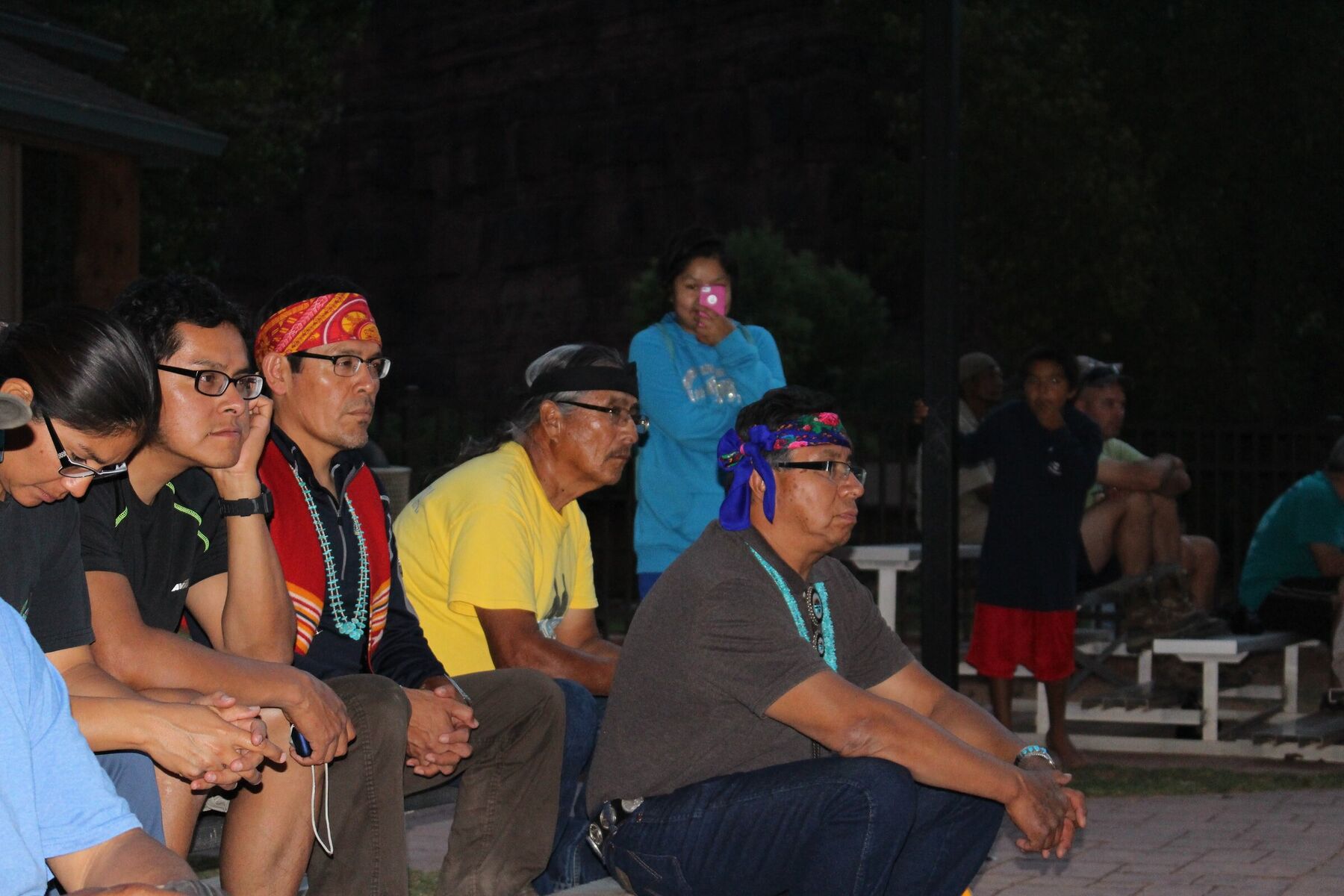
The drafting was done by an inter-branch task force. Peter Redwood led for the executive branch. I led for the legislative branch. The judicial branch was in the room too. Around us were young lawyers doing the real work — Michelle Dobson, Larry Foster, Larina Bahe, Helen Webster — and a large component guided by traditional elders and religious leaders, among them Dan Begay and Zan Smith.
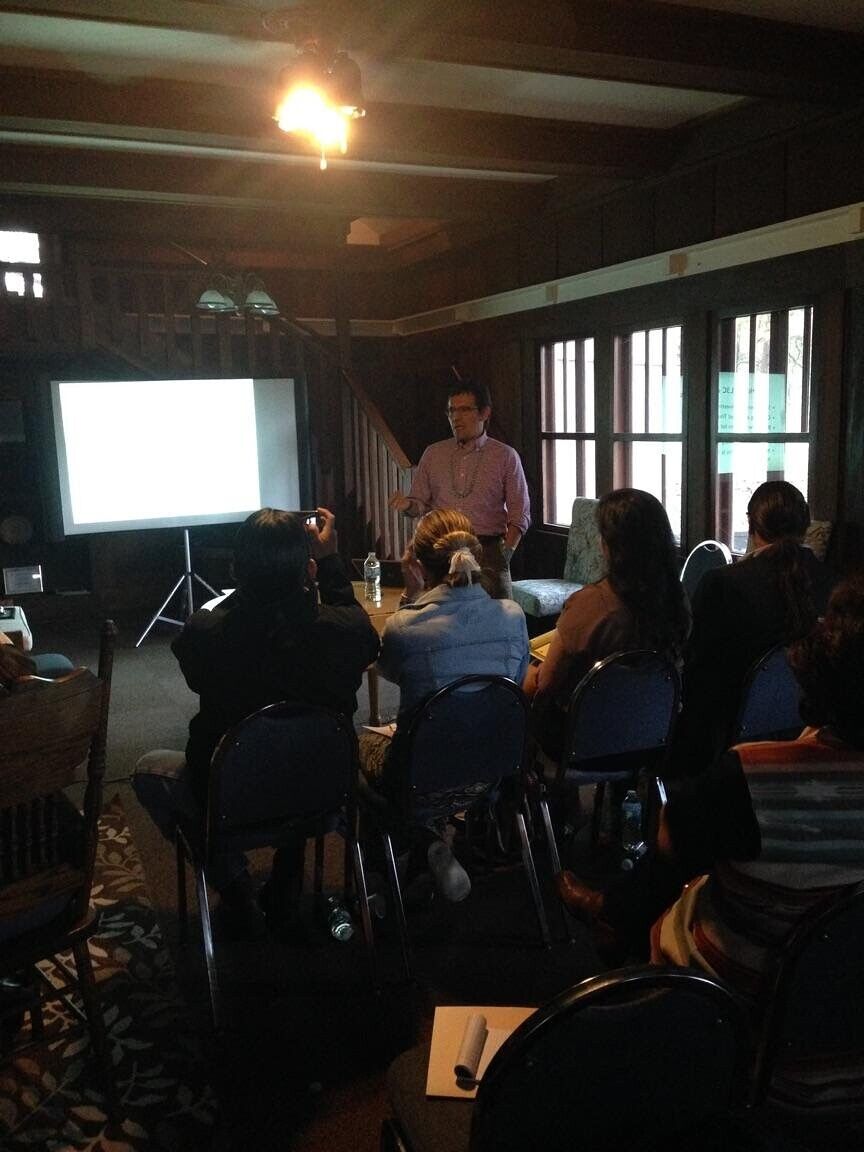
We studied every option we could find, including home rule. We ran a full public policy process: summits, workshops and meetings with elders, youth, chapter officials and the Navajo Nation Council. We did deep study of the old systems, the culture and the ceremony. Most of it happened at night and on weekends.
We were not writing a statute for chapters. We were writing the one document that would decide, for a generation, whether a community could act.
The older processHow a problem was actually handled
There was already a form of governance here. It was a sequence.
This is the part that people miss when they talk about traditional government as though it were an atmosphere. It was not an atmosphere. It was a procedure, with named roles and a defined order, and it ran for a very long time.
Here is how a problem was handled.
- Observation, then a messengerA problem was identified through careful observation by the tribal observers — people whose work was to watch. A family group was then made aware of it by a messenger. Nobody waited for the problem to arrive on its own.
- A gathering is called across DinétahNot a meeting of the nearest households. Responsible and knowledgeable representatives were brought together from throughout Dinétah to discuss the problem, recommend, and develop a solution.
- Selection is an honor, and it is earned in advanceTo be chosen by your family group or community to carry its views and experience was a high honor. It went to someone living an honorable life by the teachings and values of the people. You did not apply.
- The representative is preparedThis is the step no modern government has. After selection, the person was prepared — the elders talked with them and recommended courses of action; prayers, offerings and a sing were conducted; a sweat was held. They arrived mentally, physically and spiritually sound, and ready to be respectful.
- The host prepares long and hardA family or community hosted. They built outdoor ramadas. They ensured there was adequate, good food, and called on relatives to help cook. They invited elders to ensure honor and respect were kept. The session opened with proper prayers and an offering.
- The work takes as long as it takesRepresentatives arrived expecting to work for several days. They camped in the evenings. They had side discussions. Rules of respect, honor and integrity governed the room. Songs were sung. Drawings and art were made to depict a solution. Experts were called in — sometimes from another tribe entirely. Full understanding of both problem and solution was the goal.
- The solution is built to travelIt had to be crafted so that people could share it and identify with it, which is why the mediums were song, teaching, story and art. And the results went back to each representative's community in full detail. A decision that cannot travel home is not a decision.
There was honor in the entire process, because the process was what ensured the people's survival.

Cultural matchThe finding that changed the drafting
A government the community recognizes outlasts one it is handed.
While we were drafting, research out of the Harvard Kennedy School gave that older sequence a name and an evidence base. Two conclusions we could not ignore.
The first: a government developed by the community itself — one that fits the old way of governing and the old way of selecting leaders — does better over the long run than one imported whole. They called it cultural match.
The second was harder and more useful. A community that is allowed to fail and allowed to succeed does better than a community that is managed.
So we spent about a year on questions that do not usually appear in a governance bill. How do you structure a meeting traditionally? How do you select leaders the old way, instead of holding a divisive election with winners and losers? How do you write ordinances with that in mind?
On 8 July 1998, at the Farmington Civic Center, the Commission held a workshop called Improving Chapter Meetings and Governance with Respect of Navajo Traditional Processes. The proceedings read like a design specification, because that is what they were.
- Sit in a circle, not in rowsOfficials sit among the people, spread around the circle rather than at the front. The room itself says who is above and who is below, which is no one.
- Open with something that grounds the roomAn invocation, rotating with respect across traditions. The sharing of clans and relations. A song. A presentation by an elder. A meeting without an opening is a room without walls.
- Rules of respect, on the wall of the chapter houseListen when a young person speaks. When the discussion heats, an elder reminds the group of the basic values. Written down, posted, and read aloud when the room needs calling back to itself.
- The talking stick when the matter is hardIt passes around the circle. The one holding it speaks; if they do not wish to, it moves on. It gives the quiet a voice and keeps the loud from taking the room.
- Selection, not campaigningElders gathering and building consensus to name a representative. Districts and precincts with seats for youth and for elders. The traditional title Naat'áanii, used and meant.
All of this went into the act as a right: a certified chapter may develop an alternative form of government of its own design. Not a template we handed down. A door we opened. The full argument on getting away from elections →
A community that is allowed to fail and allowed to succeed does better than a community that is managed.
The finding we built the act around
The first voteTabled
They sent it back. They were right to.
I was the main presenter and facilitator. I took the Local Governance Act to the Navajo Nation Council, made the case, and the council tabled it.
Not because they were against local authority. Because they wanted to see exactly how it would work.
Show us the ordinances. Show us the staffing structure. Show us what a chapter actually does on the Monday after this passes — who is hired, who signs what, what the certification process looks like, how each authority is exercised and by whom.
That is a demand a lot of reformers treat as obstruction. It is not. It is the specification, delivered free of charge by the people whose vote you need.
So I wrote it. A full Local Governance Act implementation plan, authority by authority, and went back to the council with the act and the plan together.
The second voteLittle debate
It passed. With very little debate, because the debate had already been had and answered on paper.
Then the timing turned. President Hale had stepped down. His vice president, Thomas Atcitty, was in the office. I remember the chief of staff ushering me in — and Atcitty signing the legislation immediately, right there.
It was a tremendous victory.

The toolsBeedih — what a chapter got to hold
The vision was one word: Beedih. The tools to fulfil their dreams.
This is the part that separates a real devolution from a ceremonial one. Responsibility travelling downward while authority and revenue stay upward is not reform; it is offloading. The act moved the instruments themselves.
Stated plainly, here is what an LGA-certified chapter has the authority to do.
- Develop comprehensive land use plans, zone, and create ordinancesAlways the first step, and there is no way around it. Nothing downstream — zoning, leasing, revenue, finance — is available to a community that cannot yet state what its land is for.
- Create protected zonesIdentify places that carry standards: architectural look, size, amount of development, business type and use. This is the authority chapters had wanted all along — green belts, sustainability standards, limits on what may be built next to what.
- Gain oversight to issue and manage business site leases, and enact taxesThe leases on your own land, administered by you — including novating an existing one. I went to Congress myself and sat with the Assistant Secretary of the Interior to secure the federal side of it. The local sales tax was created as an incentive right after passage.
- Form regional inter-chapter agreements and organizationsTwo or more communities developing a project together and sharing the costs and the benefits, instead of arguing over which side of the boundary it sits on — or pooling into a shared back office with one accountant, one lawyer, one development center between them.
- Work with the Navajo Nation to gain delegation of a central government functionTake over a function from the center outright: a park, a program, a service. Negotiated, with the center at the table.
- Retain legal counsel, accountants and high-level managersThe capacity without which every authority above stays on paper. A community that acquires the tools and not the people will hold them and not use them, which looks from the outside like proof that devolution does not work.
Underneath those sit the financing instruments the act contemplated and few have yet reached for: bond finance against a pledged revenue stream, special tax district financing or a user fee so a project pays its own development cost, sub-units and standing committees so one meeting is not trying to do everything, and the right to adopt an alternative form of government of the community's own design.
And there was money to start. Every chapter that certified received a grant of roughly a hundred and fifty thousand dollars — a significant sum in 1998 — plus a Community Services Program, with offices at Tuba City and Shiprock, to help with land use and technical assistance.
Where it standsThe number, unrounded
Forty-five communities are certified. Out of a hundred and ten.
Half of the chapters on the Navajo Nation have cleared that bar and hold local governance authority. Shonto certified in 2000, among the first four alongside Tuba City. Lechee is certified. Chapters have done their own zoning. We went to HUD and got permission to use housing dollars for chapter planning, and a lot of communities used it.
I would rather tell you forty-five than sell you a hundred and ten. Forty-five, for a structural reform of this size and this age, is not a disappointing number — and anyone quoting you a hundred has never run one of these.
In useCo-managing tribal parks through the act
What it looks like when a community actually reaches for it.
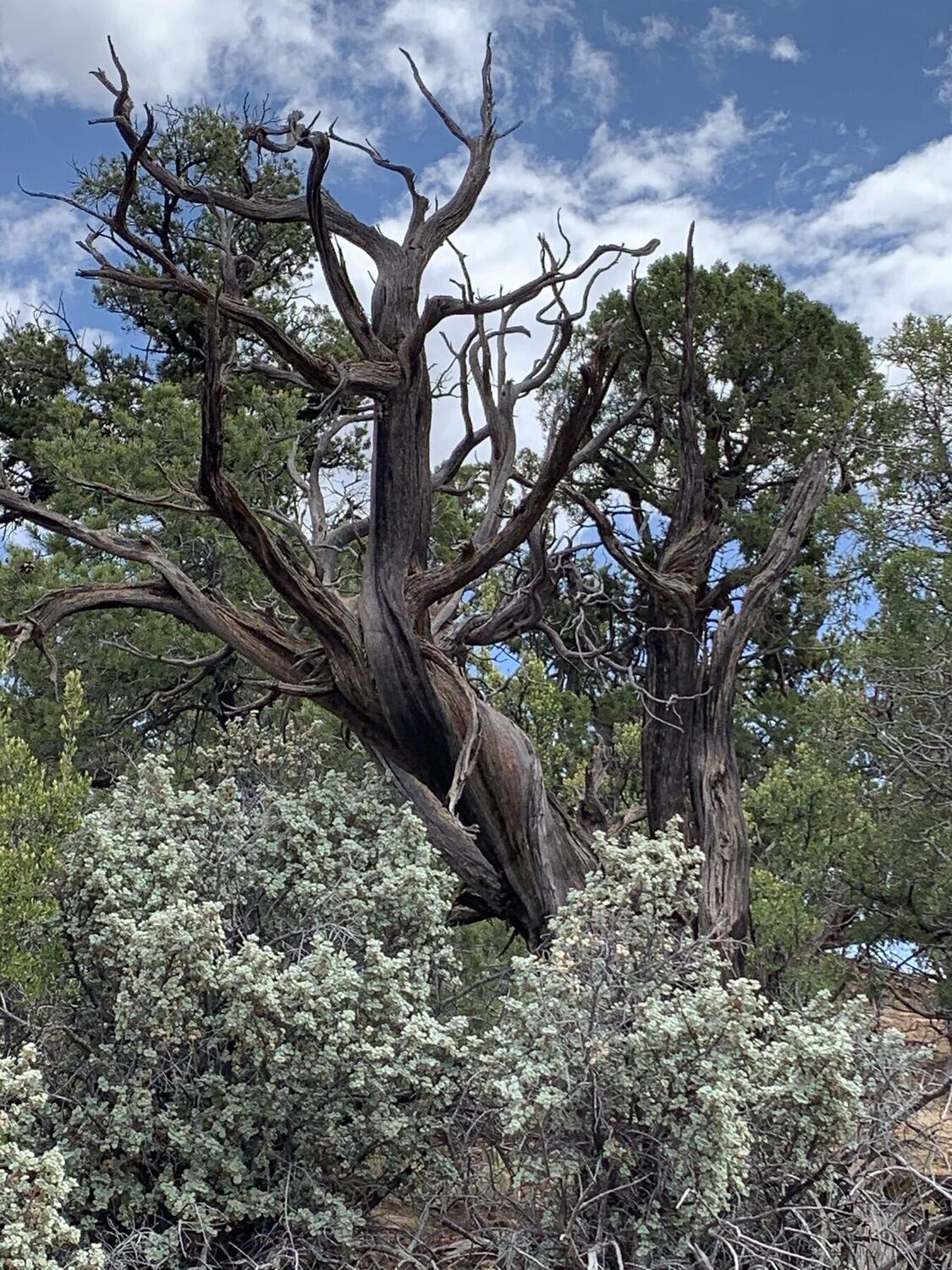
I facilitated the general management planning process for the Little Colorado River Gorge and Marble Canyon tribal parks — canyon country on the east rim of the Grand Canyon, surrounded by some of the most visited land on earth.
The proposal on the table is co-management. Not the Navajo Nation Parks and Recreation Department managing the parks and the surrounding communities watching the fees leave, but a partnership between that department and a consortium of LGA-certified chapters — the chapters organizing themselves through an arm of Diné Hózhó L3C, developing a proposal, and opening planning discussions with the Division of Natural Resources.
This is the delegation authority in the act, used for the first time at real scale. And the mechanism is borrowed from something that already works: federal 638 contracting, where a tribe requests delegation of a federal function and a negotiating process follows. Same shape, one level down. The chapters do the feasibility work — what lands the delegation covers, which park functions they take on, how revenues and functions get paid for, what gets better managed and better protected — and then the Nation negotiates in good faith.
The Nation wants to run it as a pilot, to work the kinks out for future delegations. That is exactly right, and it is the part I would ask any government to copy. You do not need to solve devolution in the abstract. You need one real transfer, done carefully, with everyone watching.
There is precedent to build on. The Nation developed the Antelope Point Marina general management plan in partnership with the National Park Service at Glen Canyon, then secured a developer and got the marina operating. And Shonto — one of the first chapters certified — has stood up its own corporations with the right assistance, which is the model for a local development entity that can co-own what gets built rather than watch someone else own it.
Planning solely for economic development, as Clare Gunn put it, is “incomplete, and even damaging as a planning tool.”
Clare Gunn, Tourism Planning — the epigraph on that plan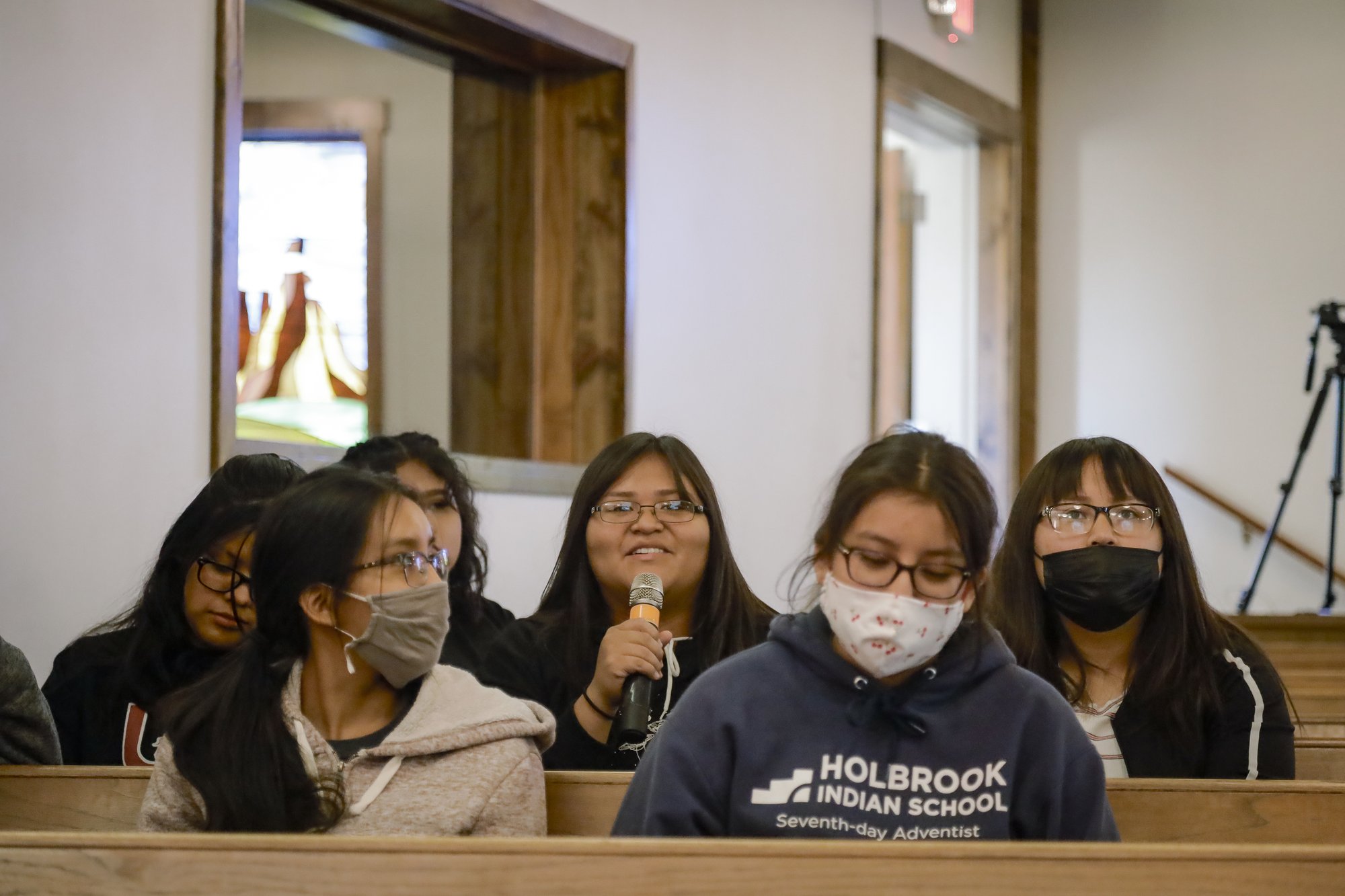
TransferableEight things this act taught, anywhere
None of this is about being Navajo. It is about being administered.
The arrangement we found in 1995 — a hundred and ten local bodies with the form of a government and none of the substance, each one holding meetings in order to produce documents requesting permission — is not a Navajo condition. It is a design, and you can find the identical design in post-industrial regions, in colonial-era municipal codes on three continents, and in the field offices of most large organizations. Here is what travels.
- Name the before-state in specifics, or nothing you draft will biteNot "capacity constraints". One coordinator, eighteen thousand a year, same job description in a hundred and ten places, reporting upward. Write the arrangement down in that much detail and half the legislation writes itself, because you can see exactly which sentence is doing the damage.
- Authority without money is a suggestion boxIf the revenue tools are not in the same bill as the responsibilities, you have not decentralised anything. Taxing power, leasing authority, the ability to pledge a revenue stream — move those, or accept that you have created a very busy advisory committee.
- Match the form to the people, and let them draw itCultural match is not sentiment; it is the strongest predictor in the research. Write the right to design an alternative form of government into the law itself, then get out of the way. A government the community recognizes will be defended. One it was handed will be worked around.
- Prepare the person, not just the agendaThe old process spent real effort on the representative before the meeting — elders advising, prayers and offerings, a sweat — so that whoever walked in was mentally, physically and spiritually ready to be respectful. Every modern institution prepares the papers and prepares nobody. Then it is surprised by how the room behaves. Whatever the local equivalent is where you are, build it in and give it time on the calendar.
- Let communities failThe instinct of every central government is to manage the risk out of devolution. The evidence says the managed community stays weak. A community that is allowed to both fail and succeed learns to hold authority; that learning is the actual point.
- Expect to lose the first vote, and treat the objection as the specificationThey tabled ours and asked for the whole implementation plan. We wrote it and came back, and the second vote had almost no debate. If the body sending you away is asking how will this actually work, they have just handed you your scope of work.
- Whoever sets the certification bar sets the pace of the reformOurs was added late, by one office, and it has governed twenty-eight years of adoption. Set a bar so the smallest community can reach it with help; put the heavier requirements on a threshold of revenue or activity, not on the door. A gate the poorest cannot pass is a way of keeping the authority at the center while appearing to give it away.
- The law is half the job; the assistance is the other halfPassage is a day. Implementation is a decade of unglamorous help — a manager trained, a system installed, a first lease negotiated with someone experienced in the room. Budget the second half at the same time as the first, or the first becomes a monument.
The mechanisms in full — selection, precincts, meeting process
UnfinishedThe part I will not round off
The act was the easy half. The help never fully came.
When we wrote it, all three branches agreed that the whole Navajo Nation would assist chapters to make full use of these authorities. Not just funding. Actual help: walk a chapter through taking over business site leasing. Help it take over a park. Transfer a program and stay until it runs.
We envisioned chapters coming together with that assistance to form regional administrations — sharing an accountant, sharing a lawyer, sharing a business development center. Joint inter-chapter agreements splitting the revenue from a project instead of arguing about the boundary. Special tax districts financing their own construction.
The Nation was behind the idea. It was genuinely behind it. But that implementation assistance has never been fully realized, and it remains the obstacle to this day — maybe now more than ever. The programmes went away one at a time. No chapter has yet subcontracted a central government function. Communities that are certified still watch the fees from businesses on their own land go to the center.
Twenty-eight years on, this is still infant legislation. It has gone nowhere near its potential. The chapters need to come back together — an association of certified chapters, asking as a bloc, piloting the takeovers, guiding each other through the regional questions. The parks proposal above is exactly the shape of a first one: a consortium, a defined function, a negotiated transfer, run as a pilot so the next ten are easier.
That unfinished half is exactly the work I do now. Not writing another act. Standing up the systems, training the managers, negotiating the first delegation, and staying until the community can run it without me.
Why this one is written down
It is a model, and it has already been run.
Everything above happened. Four years of drafting, one rejection, one passage, forty-five certified communities out of a hundred and ten. It is set down while the people who were in those rooms are still here to correct it.
But the reason to keep it is not that it is ours. It is that it is a working model — authority moved back down to the people who live with the consequences, in a real place, against a real central government, with the certification bar and the revenue tools and the years of nights and weekends all on the record. Most of what gets written about rebuilding a nation has never been attempted. This was.
It is the same argument The Council Fire makes as story — the councils that choose with honor, the economy that counts four kinds of wealth, the business chartered by the community that lives with what it makes. At the end of that book a young woman asks the elders the question the whole world is going to ask: how do I do this at home? They tell her the answer is a whole other book, and then they describe what will be in it. That book is being written. This page is one of the places it comes from.