Tourism & destination development
Two million people came. The money left before they did.
Tourism done to a community is extraction with a nicer brochure. Tourism done with a community is the fastest route out of leakage I have ever worked with. The difference is structural, and it is buildable.
The problemNot a shortage of visitors. A shortage of ownership.
The visitors were never the problem. The plumbing was.
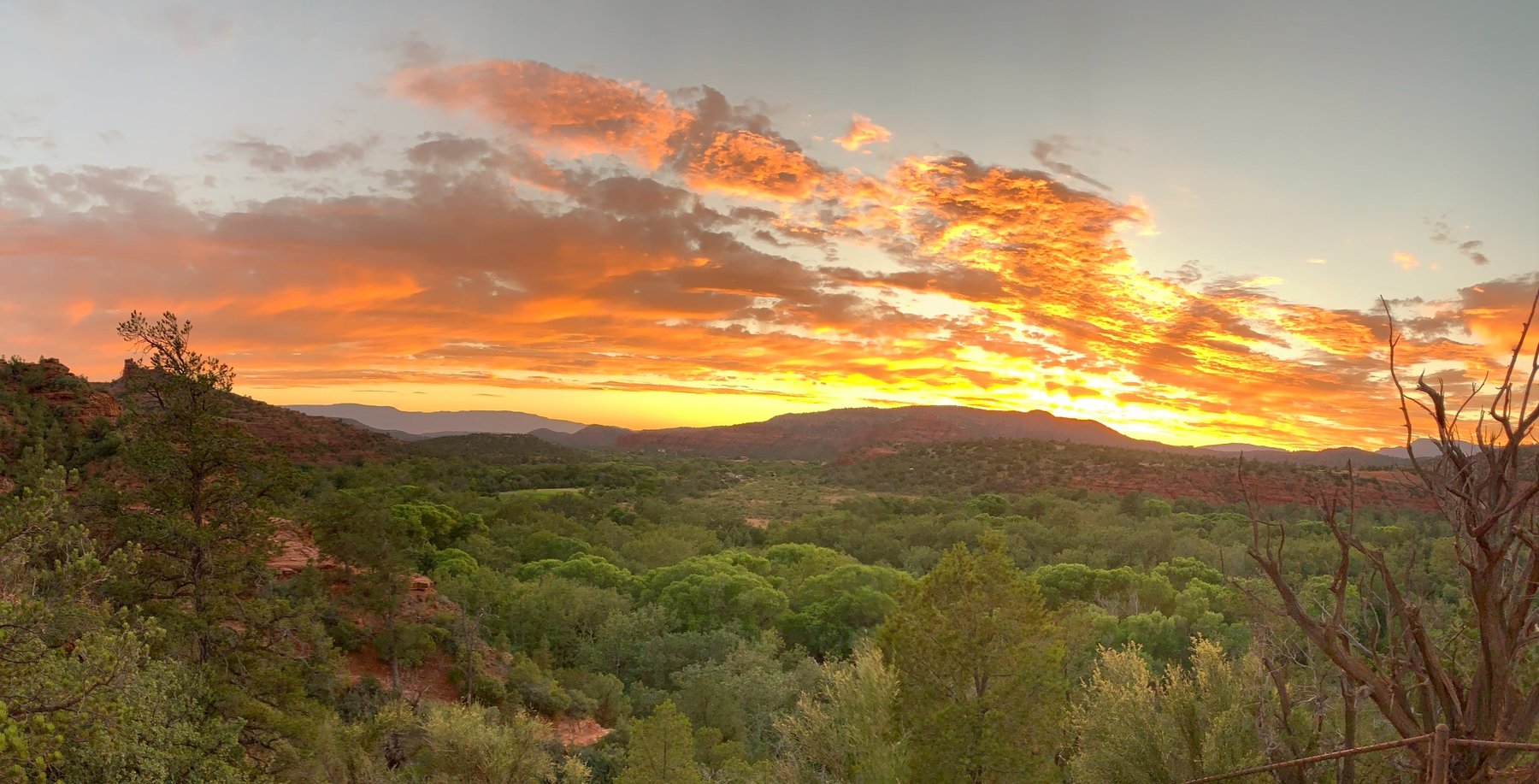
Drive Highway 89 north out of Flagstaff and you are on one of the great tourist roads on earth. The Grand Canyon on one side. Antelope Canyon, Horseshoe Bend, Monument Valley, the whole red country ahead of you. Millions of people a year move along that corridor. They are not scarce. They have never been scarce.
And the communities they drive through are among the poorest in the country.
That is not bad luck and it is not a marketing failure. It is a design. The lodging is owned somewhere else. The tour operator is headquartered somewhere else. The retail is a franchise, the fuel is a franchise, the guide was hired in a border town, and the visitor spends nine minutes at a scenic pullout and sleeps ninety miles away. What the community gets is the traffic, the dust, the litter, the pressure on the road, and a photograph of itself on somebody else’s website.
LeakageThe one number that explains the poverty
Leakage is the share of money earned inside a place that is spent outside it, immediately. It is the least glamorous number in economic development and it is the only one that has ever predicted anything for me.
A study by CB Richard Ellis measured leakage on Navajo land at 73 cents on every dollar earned — roughly $800 million a year walking off the Nation. Then the coal economy came apart: about $40 million in annual revenue from the mines and power plants — royalties, lease payments, taxes — gone, along with hundreds of jobs. Gaming revenue fell by $60 million. Through the worst of the pandemic, with the stores shut and the roads closed, my own estimate of leakage was around 90 per cent. Nine dollars in ten, earned here, gone by Friday.
You can bring a hundred thousand more visitors into a place with ninety per cent leakage and the place will get poorer, not richer. You will have imported the wear and exported the profit.
Which is why I do not think of tourism as a marketing problem. Marketing raises the top line. Leakage decides who keeps it. Every hour I have spent on destination work over thirty years has really been spent on one question: where does the dollar sleep tonight?
The canyon does not run out. Unlike the coal.
The land, cared for, is worth more every generation · not less
The caseCameron, Arizona · Highway 89 · a trailer, a grill, a gazebo
Alfreida Littleboy gets up at four in the morning.
Native Grill sits on Highway 89 in Cameron. Alfreida Littleboy and her mother started it in 2013 and got their business license in 2016. They call what they cook Navajo soul food. Grilled lamb. Dumpling stew. The menu has barely changed since the first day, because every time they tried something new the customers told them plainly that they did not want it, and the family listened.
For years the two of them did the whole thing alone, starting at four to have the food ready. Then Alfreida worked out how to cut prep time, hired staff, taught herself the paperwork and the taxes. New floors in the trailer. Fresh paint. Shade outside. A new grill. A gazebo with picnic tables. A storage building with an office attached.
What changedThe year the tour buses started stopping
In 2019, working with Planeterra, we helped Alfreida secure contracts with G Adventures — a tour operator out of Canada moving travellers along that corridor by the thousand. The travellers had always been going past her door. Now they came in.
And look at the shape of what she sold them. Breakfast served in a hogan, with the stories told alongside it, so the group received something whole rather than a photo opportunity. Lunch afterwards at the house or under the gazebo. She was not renting out a backdrop. She was hosting, in the oldest sense of that word, and charging properly for it.
Sales rose every single year. The local customer base stayed loyal — that matters, and I will come back to it. Contracts were signed through December, with two more in negotiation, one from the United Kingdom and one from Canada. We helped her put a solar system on the place. Her impact investor is European.
And here is the part that never shows up in a tourism strategy document. Out of the profit, in 2019, Native Grill bought the Thanksgiving meal for the Cameron Head Start. That same year they hosted the Christmas party for the Gap Head Start — presents for every child, dinner, the whole thing paid for.
A hotel chain does not buy Christmas for the Head Start. It cannot. The money is already on a plane.

And then March 2020The other half of the lesson
In March the Nation closed the parks and locked down. International travel stopped. Every G Adventures tour cancelled; both pending contracts froze. Native Grill shut completely. Alfreida was suddenly running her children’s online school from eight to two — exactly the hours the business ran.
She reopened. The tours came back. She is in a strong position now. But do not let the recovery blur the lesson: a community enterprise built on one channel is one channel away from zero. The families who also had sheep, a field, a loom, a local lunch trade — they had something underneath. That is not nostalgia. That is portfolio design, and the old people were better at it than we are.
Native Grill is not a small story that stands for a big one. It is the big one, at the only scale where the money actually stays. Multiply Alfreida by two hundred along one highway and you have changed a regional economy. There is no version of this where one resort does that.
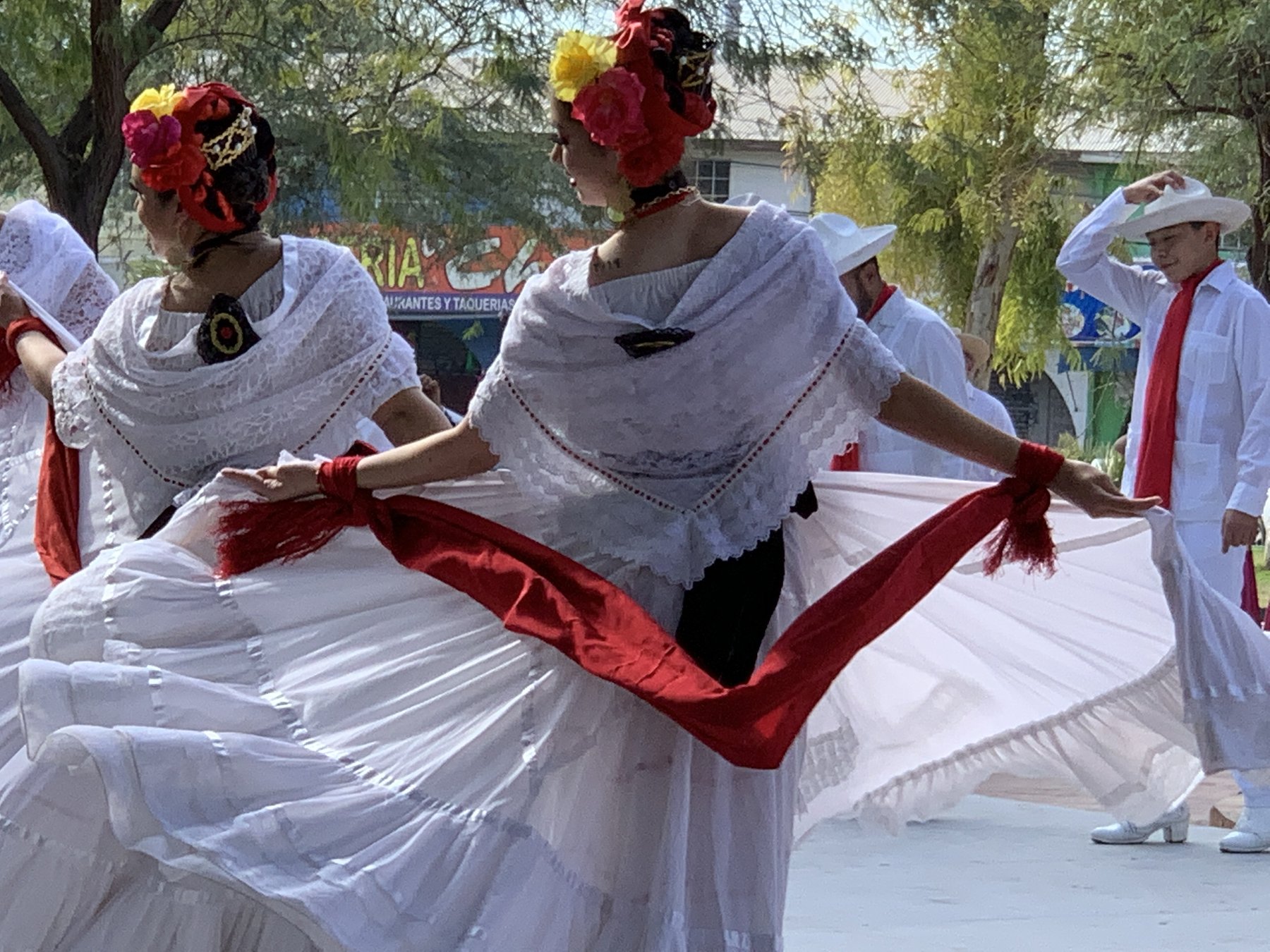
The frameOlder than the industry by several thousand years
Peoples were once each other’s tourists.
The modern industry assumes a visitor is a consumer, a destination is a product, and the transaction ends at the till. That assumption is recent, and it is provincial. For most of human history, travel between peoples worked on a completely different principle.
You arrived carrying food and the story of your family. The receiving people brought out their own food, their own stories, their own songs. For a few days two peoples were one people, in the way that mattered. The goods moved, yes — corn, wool, salt, silver, seed — but the goods were the doorway. The story was the trade.
A trade system built on extraction produces extractors. A trade system built on honor produces people who know how to be together. There is no third option.
The Council FireI put this at the front of every destination engagement I run, and I do it for hard-headed reasons. A place that hosts on those terms sets its own prices, keeps its own dignity, and gets return visitors who arrive as guests instead of as an audience. A place that sells itself as a product competes on price with every other product, and loses.
Honor is not the soft part of the plan. It is the pricing strategy.
What is actually on offerThe inventory nobody counts
When outsiders look at this land they see what is missing — no factory, no mall, no anchor tenant. They never see what is there.
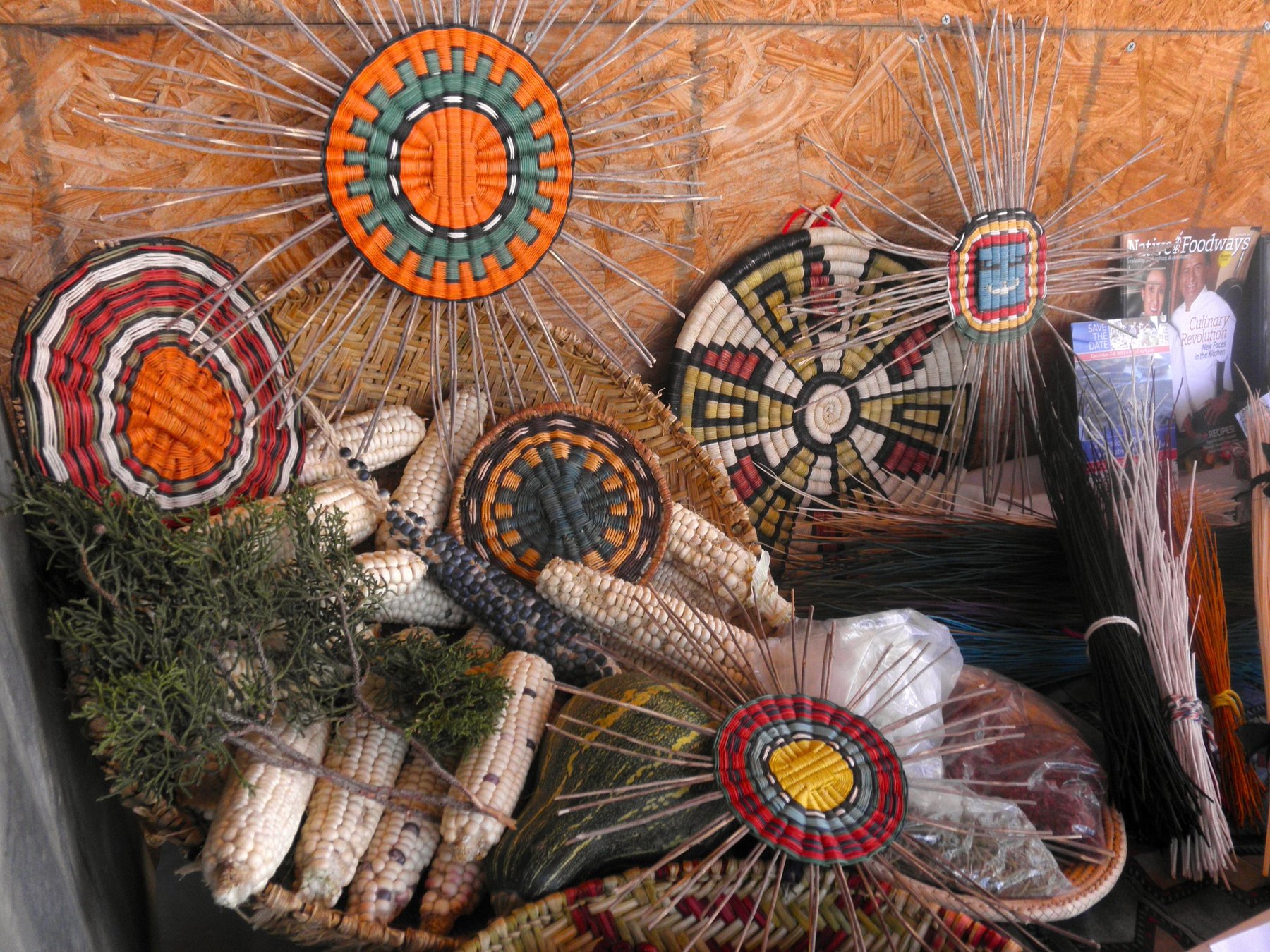
Corn, melons and squash grown by dry farming, in a place with almost no water, using knowledge for maximising every drop that has been carried and refined for a very long time. The heartiest seeds kept and passed down through generations. The Navajo Churro sheep, a breed developed over about six hundred years specifically for this high desert, herded and bred in ways that kept both the land and the people healthy. Fields prayed over and sung to. Pollen harvested. Pests kept out by organic methods older than the word organic.
The pillars of the tribes are the members who still live off the land. They are also, not coincidentally, the single most valuable asset in any honest destination plan — and the first thing a conventional plan turns into a costume.
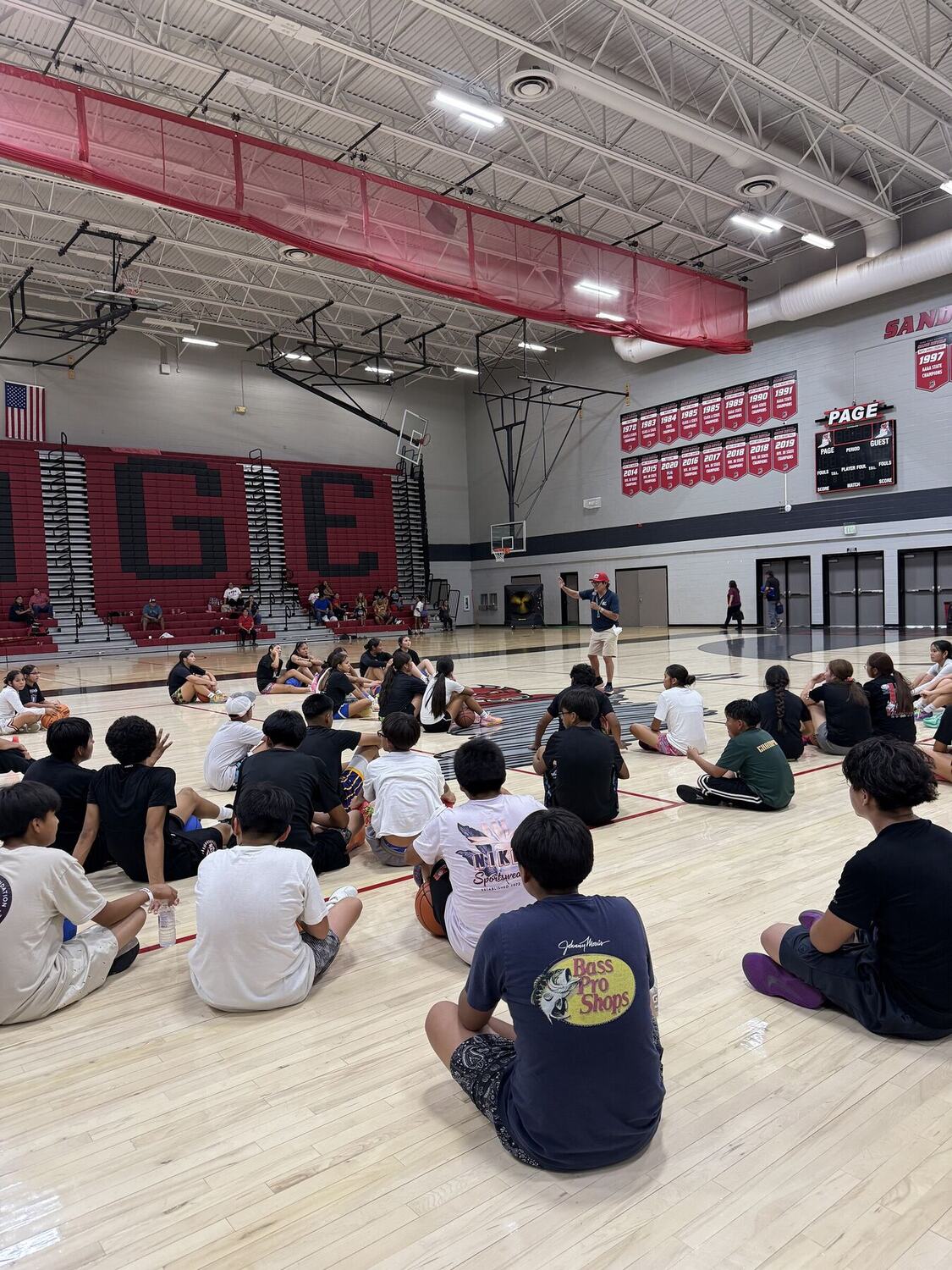
OwnershipThe first conversation, not the last
Before anyone counts visitors, count the deeds.
In most destination plans ownership is a footnote — a paragraph about local hiring somewhere near the back. Put it at the front and the entire plan changes shape, because you can no longer pretend that a job in someone else’s hotel is the same thing as an asset.
Here is the ownership audit I run, in order. It is not complicated. It is simply never done.
| The link | What community ownership actually means here | |
|---|---|---|
| i | The bed | Where the visitor sleeps is where most of the money sleeps. Hogan stays, family bed-and-breakfasts, small camps, guest houses — owned by families and financed patiently. One community-scale operator we worked with, Big Hogan Enterprises, added units, built out a real booking system and brought in impact investment. That is an asset a family owns, not a shift a family works. |
| ii | The plate | Food is the highest-margin, lowest-barrier, most culturally dense thing a place can sell. It is also where the supply chain either loops home or leaks. Sourced from local farmers and the lamb cooperative, one meal pays four people in the community. Sourced from a distributor, it pays one. |
| iii | The guide | Guiding is the single most-outsourced link and the one most obviously belonging to the people whose place it is. Licensing, insurance, training and rates set locally — and community guides paid at professional rates, not honorarium rates. |
| iv | The gate | Whoever controls access to the site controls the terms. Permits, carrying capacity, seasonal closures, escort requirements. This is a governance instrument, not a ticket booth, and it must sit with the community rather than with a concessionaire. |
| v | The shelf | Retail, craft and provisions. The difference between a gift shop that buys wholesale from overseas and a shelf that buys from the weaver eleven miles away is the entire argument in one square metre. |
| vi | The booking | The reservation system is infrastructure. If every booking routes through a platform taking twenty per cent to a head office, you have built a pipeline out. A shared local booking layer keeps the commission and the customer list at home. |
| vii | The ground | Lease and tax authority. A community that can lease its own ground and keep its own revenue is a partner. One that cannot is a location. |
Seven links. A conventional development wins six of them and offers the community employment in the seventh. An honorable one inverts that, and the money changes direction.
The tellingWho narrates, and who decides what is narrated
The story is the product. So the story cannot be borrowed.
Every place with visitors has a story being told about it. The only question is who is holding the pen. Where the community is not holding it, someone else has written a version — usually flattened, usually in the past tense, usually with the people either absent or in costume.
- The narrator is from hereNot a script handed to a local employee. The person telling it is the person it belongs to, and they can answer the question after the question. A visitor can always tell the difference, and pays accordingly.
- The present tense, alwaysThe most damaging sentence in this industry is “they used to.” A living community with a college, a co-op and a broadband problem is more interesting than a diorama, and it is also true.
- Consent is per-story, per-family, per-seasonNobody can license another family’s narrative. A community-wide agreement to host does not authorise any particular telling. That gets negotiated at the level it actually belongs to.
- The camera has rules and the rules are written downWhere photography is allowed, where it is not, what may be published and what may not. Written, posted, in the booking terms, agreed before arrival. Ambiguity is what produces the incident.
- Payment for knowledge, at professional ratesAn elder who spends two hours teaching is doing skilled work. Pay it like skilled work. The habit of compensating the guide and thanking the elder is one of the quiet ways this goes wrong.
The closed doorThe part that makes the open door worth something
Every functioning destination I have worked on has a list of things that are closed and stay closed. Ceremony. Certain places. Certain seasons. Certain knowledge. The list is decided by the community before a single brochure exists, and it is not revisited when a large offer arrives.
Developers treat that list as lost revenue. It is the opposite. A place that will not sell everything is the only kind of place worth visiting. The closed door is what tells the visitor that what they were shown was real — because something was withheld. Open everything and you have a theme park, and the market prices you like one.
Write the closures into the charter, not the etiquette guide. Etiquette bends under a big cheque. A charter does not.
The same principle governs the seed keepers who will trade most of what they carry and simply will not release some of it, and the other keepers respect that without argument. Withholding is not a failure of hospitality. It is the structure that makes hospitality possible.
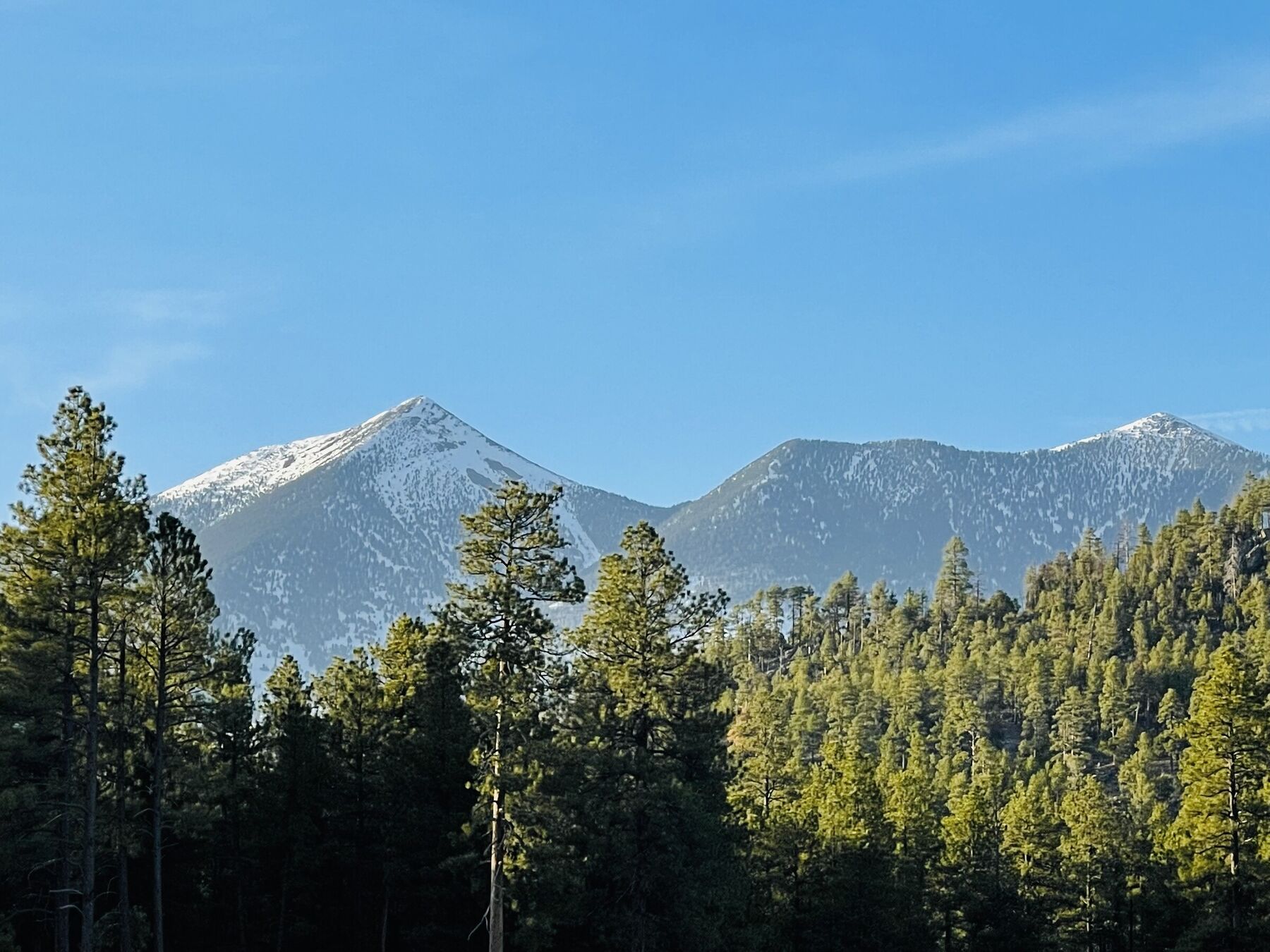
CapacityThe number you set before you start selling
Decide the ceiling first. You will never get to set it later.
Growth targets are the default setting of the industry, and they are how good places are destroyed. The discipline is the reverse: establish the maximum this place and these people can carry, in the driest year, and then build a business that is excellent at that number instead of hungry for a bigger one.
What the ground can take
Water is the binding constraint here and increasingly everywhere. Less rain, less snow, higher temperatures, changing winds, invasive plants — the farmers and shepherds started noticing all of it fifteen years before the reports did. Herds have already been reduced. A development that quietly outbids the sheep for water has not created an economy; it has swapped one out.
What the people can take
Traffic past the school. Strangers at the wash. The number of days a family can host before hosting stops being a pleasure. This ceiling is lower than the ecological one and it is almost never measured. Ask the households, annually, and treat the answer as binding.
What the calendar can take
There are weeks when the community is doing something more important than receiving visitors. Those weeks come out of the availability calendar first, and everything else is scheduled around them. A destination that cannot close for its own ceremonies has already been captured.
SeasonalityStop fighting it. Price it.
Every destination plan I inherit contains a line about “extending the season.” Sometimes that is right. Usually it is a way of asking a community to work through the months it has always used for something else.
The better move is to design a year that has a shape. A high season priced high enough that the community does not need twelve months of it. A shoulder season sold to a different and often better visitor — the ones who come for the lambing, the harvest, the weaving, the quiet. And a closed season that is genuinely closed, when the repairs get done, the children get their parents back, and the land rests.
Three good months at honest prices beat nine desperate ones. That is a real financial statement, not a lifestyle preference: fewer visitors at higher value produce more retained income and less damage than volume at thin margins, every time.
StructureOne big thing, or forty small ones
A pyramid falls when you take out the top. A web does not.
Every community I have worked with has been offered the one big project — the resort, the casino hotel, the anchor development that will finally fix everything. Sometimes it gets built. When it closes, or gets sold, or reorganises, there is nothing underneath it, because everything that might have been underneath it was crowded out during the good years.
I build the other thing. Forty small enterprises with different owners, different customers and different failure modes, connected to each other on purpose.
- The grill on the highwayA family food business with a loyal local trade and a tour contract on top. Native Grill is exactly this: the locals are the base load, the tours are the margin. Reverse those two and the first bad season takes the business.
- The hogan stayTwo to six units, family-owned, patiently financed, with a real booking system. Small enough to fill honestly, numerous enough to house a coach.
- The guide cooperativeShared licensing, insurance and training; rates set collectively so nobody has to undercut a neighbor to eat.
- The lamb cooperativeChurro herds run on the old knowledge, supplying the kitchens and the wool trade. It supplies the visitor economy and survives without it.
- The farm supply loopGrowers specialising — blue corn here, sweet corn, melons, grapes there — selling into a local buyer that redistributes to the kitchens and the stores. Traditional planting, never GMO.
- The independent groceryThe unglamorous keystone. It serves residents first and visitors second, and it is the mechanism that converts a food desert into a supply chain. We have spent years on exactly this with entrepreneurs on Navajo land.
- The weaver, the silversmith, the potterSelling from the shelf they own, at their own price, with their own name on the tag.
- The marketplaceGrocery, healthy food, a cafe, a convenience store and the tourism components in one planned center. The Hopi Village of Sipaulovi asked us to help organise exactly this, and we ran the strategic planning with them.
- The community bank and the rotating fundPatient money underneath all of it, doing the small unglamorous lending no outside bank will touch. Without this layer the web never gets built, no matter how good the plan is.
Every one of those enterprises buys from at least two of the others. That is the whole trick. A dollar that enters at the grill goes to the lamb co-op, then to the feed and the farm, then to the grocery, and it may go around three or four times before it leaves. Leakage is not defeated by stopping the dollar from leaving. It is defeated by making it work on its way out.
The accountsFour capitals · the fourth is ecological
Visitor numbers are a vanity metric. Here is what we actually count.
Arrivals, occupancy and spend tell you how busy you were. They cannot tell you whether the place is better off, and in a community with heavy leakage they will actively mislead you. We keep four sets of books, and a project has to hold up in all four.
| The capital | What gets counted | |
|---|---|---|
| i | Financial | Not gross visitor spend. Retained income: the share of every visitor dollar still inside the community after ninety days. Number of community-owned enterprises. Local procurement as a percentage of purchasing. Wages against a real cost of living. Assets held by families, not jobs held by families. The leakage rate, measured annually and published. |
| ii | Relational | Whether people can stand what has been built. Household consent to hosting, asked every year. Young people staying or returning. Enterprises that buy from each other. Disputes resolved inside the community rather than through lawyers. The number of visitors who come back — a returning guest is a relationship, and it is also the cheapest marketing there is. |
| iii | Cultural | Language heard in the working day, not in the performance. Practitioners under forty. Ceremonies that still close the calendar. Knowledge transmitted with the young present. Seeds kept and grown out. Whether the closed list is still closed. If the tourism is strengthening the culture the graph goes up; if it is consuming it the graph goes down, and it always goes down before the revenue does. |
| iv | Ecological | Water drawn against water recharged. Range condition and herd health. Soil on the farms. Trail and site condition at the pressure points. Waste, actually measured. Energy generated on site — Native Grill runs on a solar system we helped them secure. The land, cared for, becomes more valuable every generation. That is the only asset on this list that behaves that way, and it is the one the old accounting had no column for. |
Four capitals, one rule: a gain in one that is paid for out of another is not a gain. That single test has killed more bad projects for me than any financial model.
How an engagement runsThe order matters more than the content
- Culture and values first, before any analysisNot the closing ceremony — the load-bearing wall. What this community is, what it will and will not do, and what is closed. Everything after this is engineering.
- The baseline and the leakage numberWhat exists, who owns it, and where the money currently goes. Measured, not estimated from a template.
- Ownership design across all seven linksWho will hold the bed, the plate, the guide, the gate, the shelf, the booking and the ground — written into instruments that a bank, a court and a federal agency will each recognize.
- Capacity and calendar set before pricingThe ecological, social and cultural ceilings, and the closed weeks, established while it is still cheap to establish them.
- Financing that fits a small enterpriseImpact investment, patient capital, the community bank, the rotating fund. Most of these ventures fail for want of thirty thousand dollars, not three million.
- Navigating the tribal and public processesSite leases, licences, chapter support, delegate support, enterprise agreements. This is where good projects go to die, and it is most of the work.
- Four-capital accounts, kept from day oneBecause a scorecard installed in year three will only ever measure what year three wants measured.
Work together
Tell me about the place, and who owns what.
A destination, a village, a corridor, a single enterprise, or a large development that wants to be built the honorable way. Send me where it is, what the community already has, and what worries you. It comes straight to Tony.
Contact